
Midsummer Tomato Vinegar
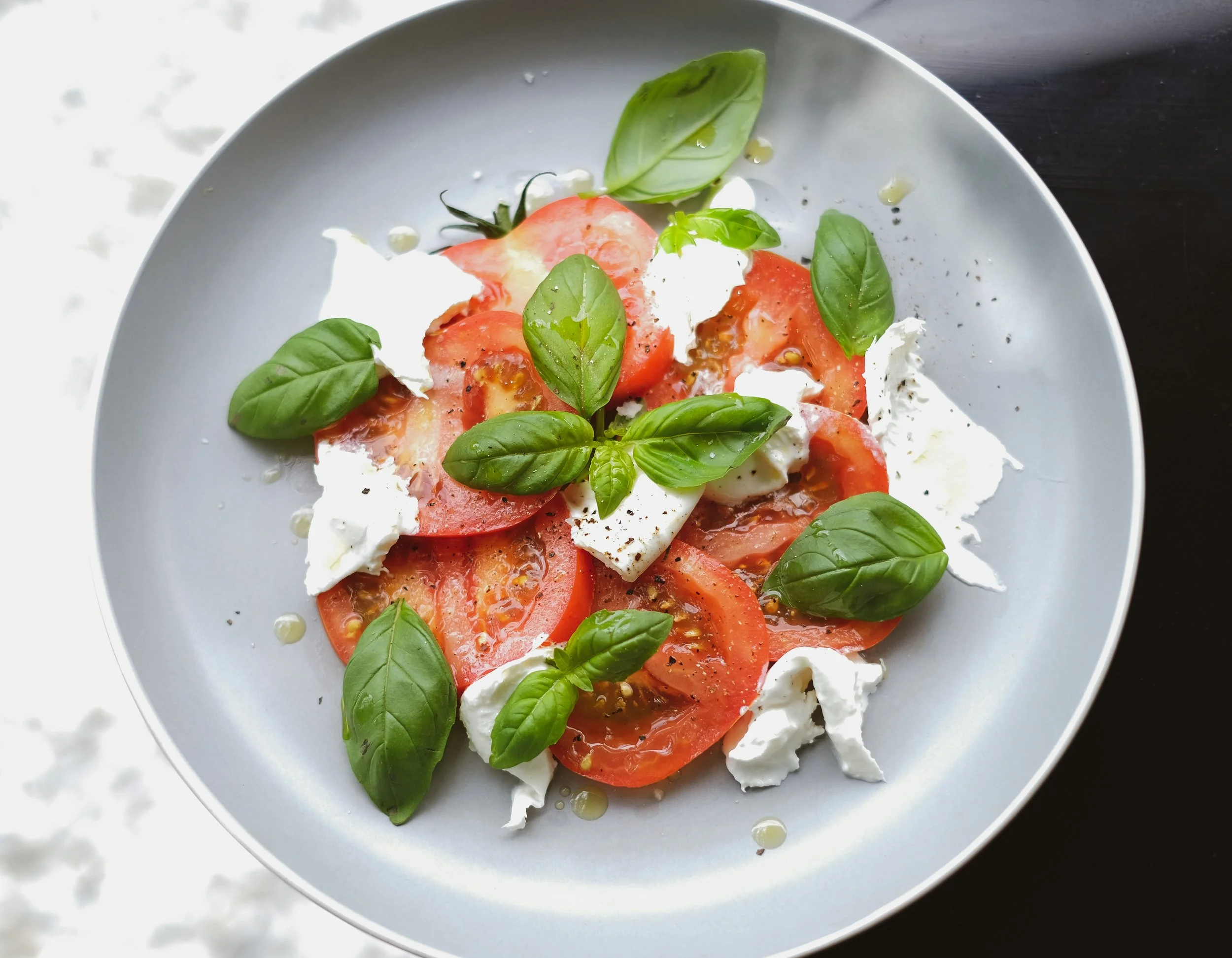
Plump midsummer tomatoes get typecast in sandwiches and salads; bacon and lettuce stacked between thick slices of toasted white bread with globs of glistening mayonnaise. A carefree caprese sees sliced ripe tomatoes layered with creamy mozzarella — sweet basil leaves and a glug of good olive oil round out the dish, maybe with a drizzle of dark balsamic vinegar on top. Large chunky tomato wedges dressed with red wine vinegar become the optimal way to consume your bumper crop before their skins burst and wrinkle under the summer sun. Some transform their garden loot into simmered tomato sauces simmered for hours and put up in jars for the winter. But there’s another way to preserve all that lively lycopene and I bet you can guess where I’m going with this. Here are a handful of acetic acid aficionados that have turned their tomatoes into something brighter:
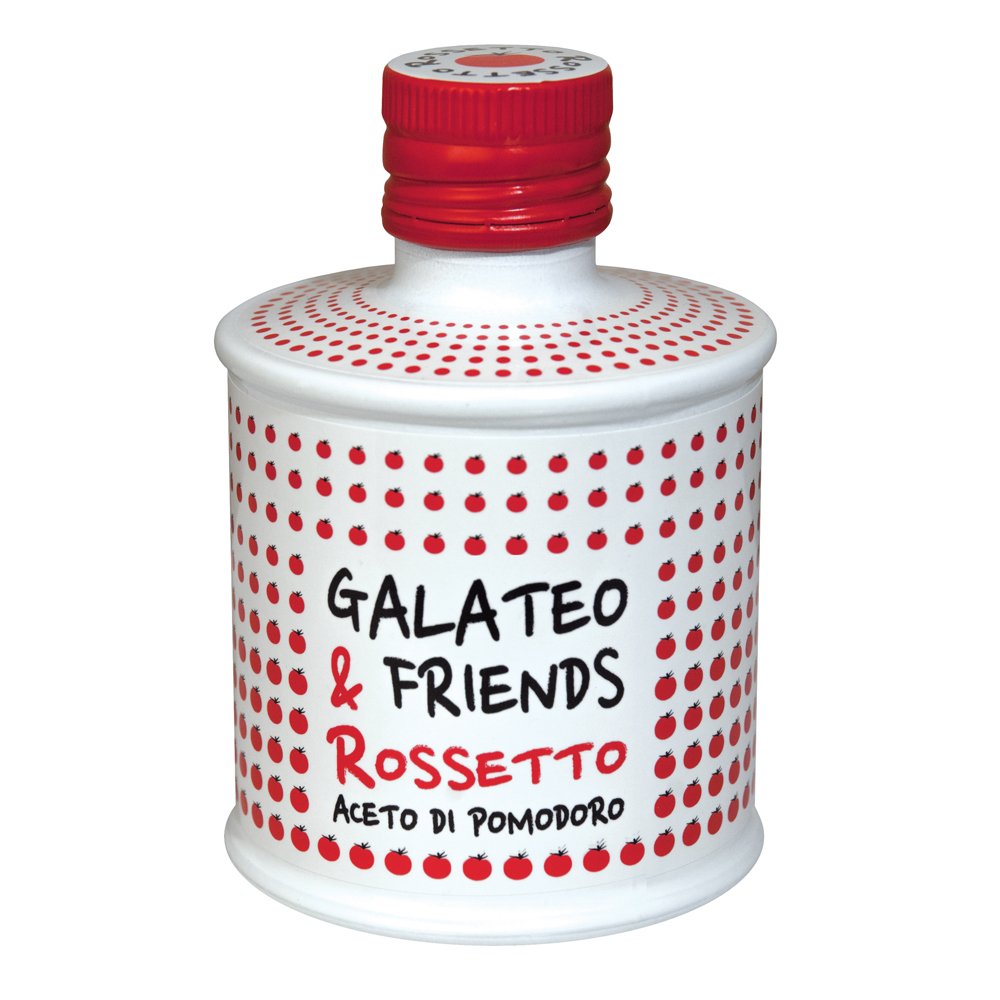
An importer of some of the most artistic balsamic bottles I’ve ever seen, Galateo & Friends, an Italian alimentari company based in Liguria, also produces an auspicious tomato vinegar (aceto di pomodoro in Italian) fittingly called Rossetto, which means lipstick. It’s rouge color and slightly sweet, sour and savory flavor tastes like a tomato’s kiss.
“Rather than seeing the tomato as a vegetable, we celebrate it as a fruit, naturally rich in sugars, vibrant aromas, and remarkable complexity,” says Marco Bonaldo, Galateo’s founder. The tomatoes are crushed into a concentrated pulp to preserve the fruit’s distinctive brightness before being slowly fermented into vinegar. This technique captures the aromas of a perfectly matured tomato. The tomato vinegar is remarkably versatile in the kitchen, adding depth to vinaigrettes, and amping up anything with tomato, from Bloody Marys to Sunday sauce.
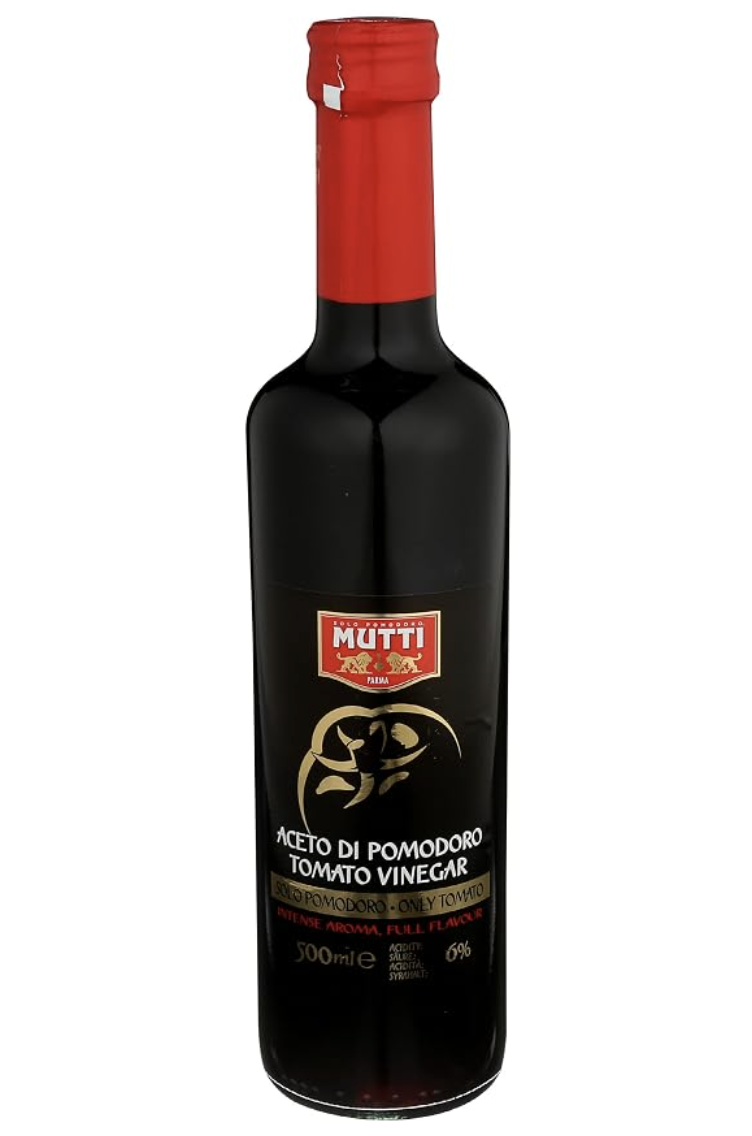
Galateo & Friends isn't the only Italian enterprise that also turns these bright berries into vinegar. Mutti, a Parma-based preserve company, which has been selling tomato pulp since 1899, also makes a tomato vinegar that is full of flavor, with lower acidity and plush, with “an aroma reminiscent of sundried tomatoes,” as they state on their website. The tomatoes ripen fully on the vine under direct sunlight, making for a miraculous marinade for grilled shrimp, steak, or even zucchini.
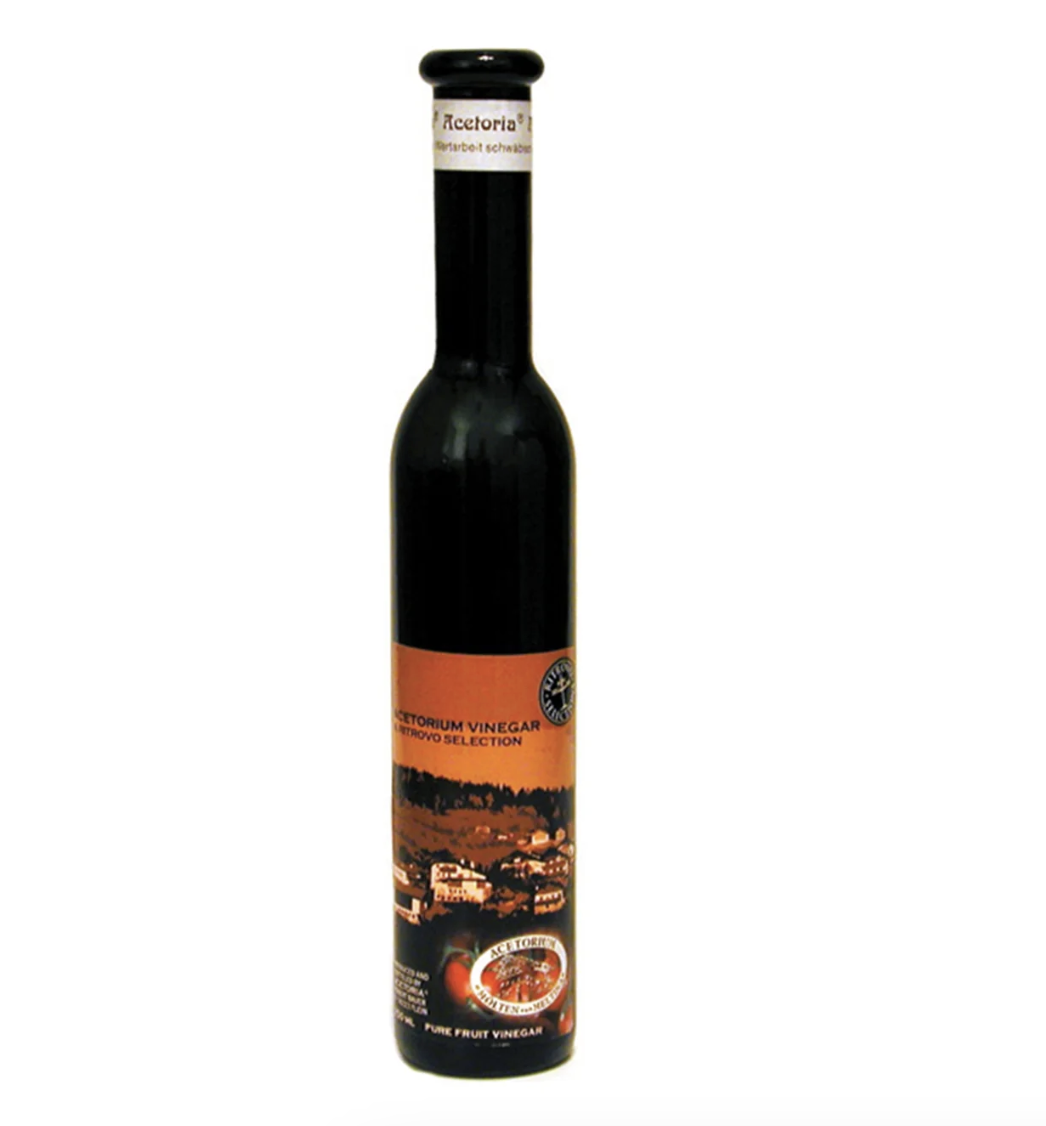
More tangy Mediterranean tomatoes are turned into acid at Acetorium, a collaboration between Alto Adige winemaker Joseph Reiterer and master vinegar maker Robert Bauer from Germany. The two transform them into a vinegar that can be a standalone salad dressing, rich and zesty enough for even the heartiest of greens.

Tomato vinegar is found throughout Europe. Just over the border in Southern Austria, Goelles, a legendary schnapps distiller, slowly ferments Styrian tomatoes for a year in stainless steel for a terrific tomato vinegar, my surreptitious addition to tomato soup, adding some sharpness to the otherwise cooked tomato taste. Southern Spain extols Andalusian gazpacho, a cold tomato soup for the summer.
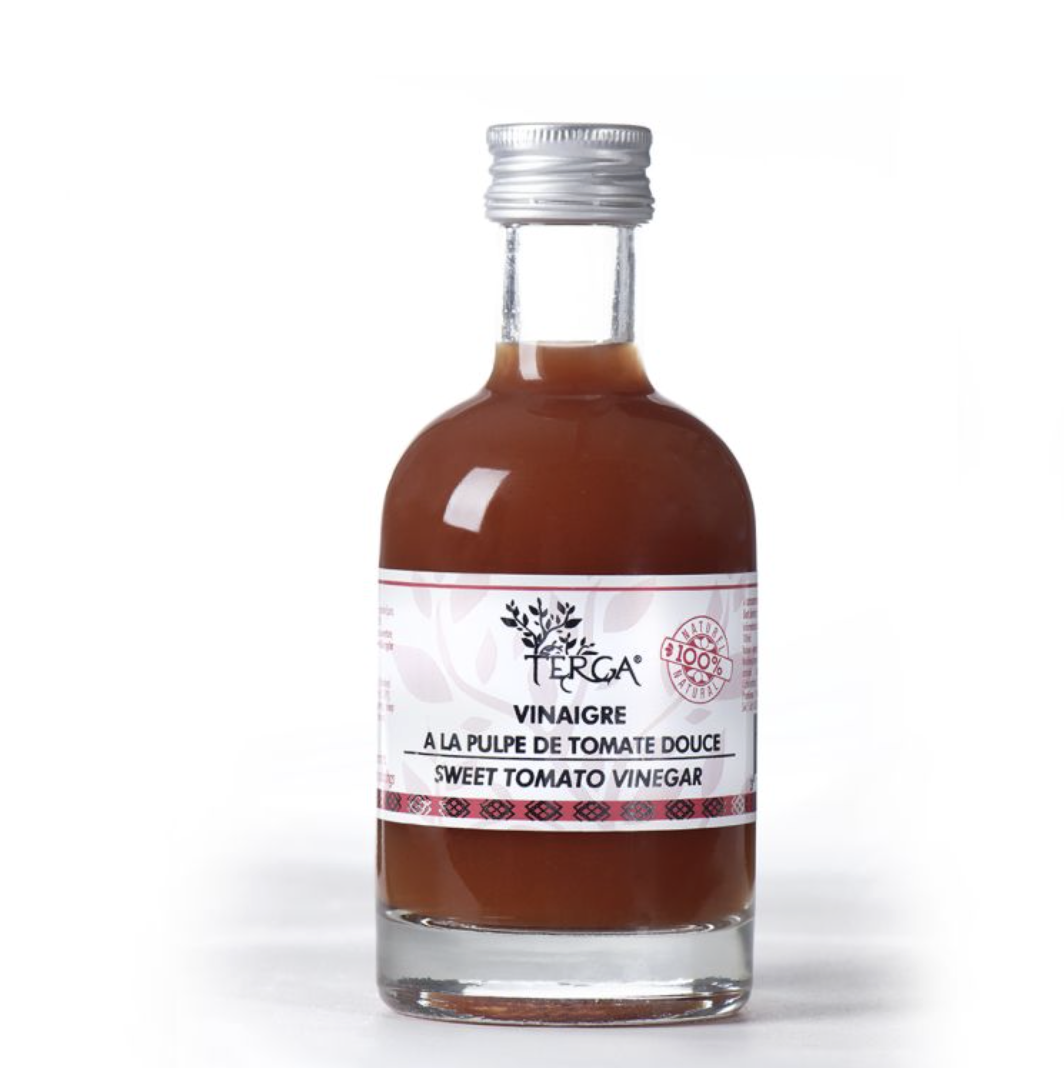
For that I’d use Terga’s Sweet Tomato vinegar, made near Bordeaux in southwestern France. Used in place of the usual sherry vinegar traditionally found in Spain, Terga’s version retains just enough natural sugar to balance out the raw garlic in the recipe.
So, as summer wanes, and your tomatoes become mealy and mush, either make or buy a bottle of tomato vinegar before your summer’s season bursts.