
Watermelon Vinegar is One in a Melon
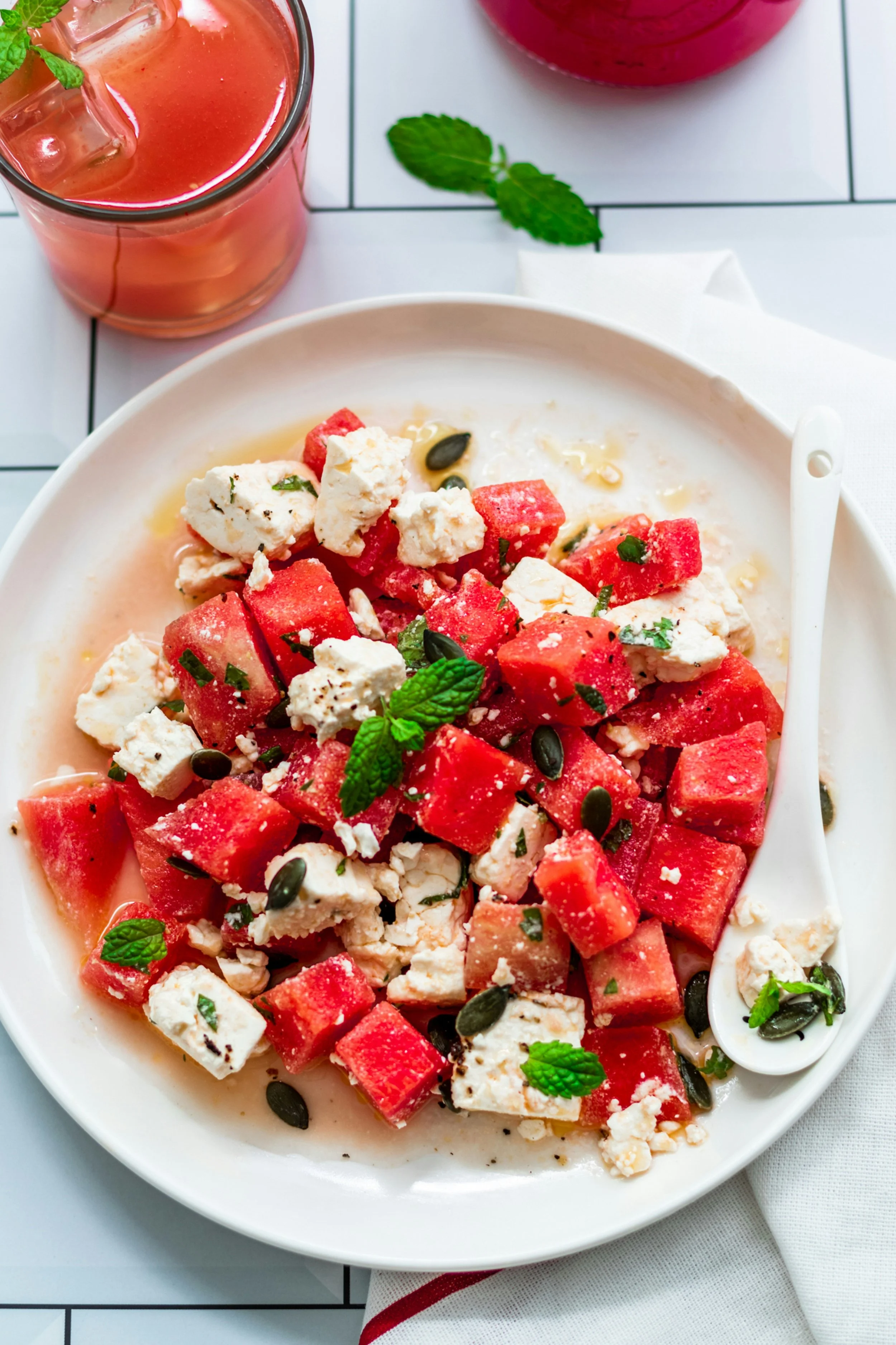
Summer screams for certain seasonal sides and salads: crunchy sweet corn succotash, succulent stone fruit panzanella, but my Mount Olympus salad is the trinity of sugary, crisp cubes of watermelon, briny soft feta cheese and cooling mint. It’s a perfect dish … or so I thought — until someone dribbled a bit of balsamic vinegar on top. While adding a darker note for depth, the acidity made the salty sweet salad tangier, and even more tempting, which I didn’t think was possible. I know some recipes call for lemons and limes, but this is not about adding a squirt of citrus. This is about the resulting watermelon juice that settled on the bottom of the bowl, and begged a question: is there such a thing as watermelon vinegar?
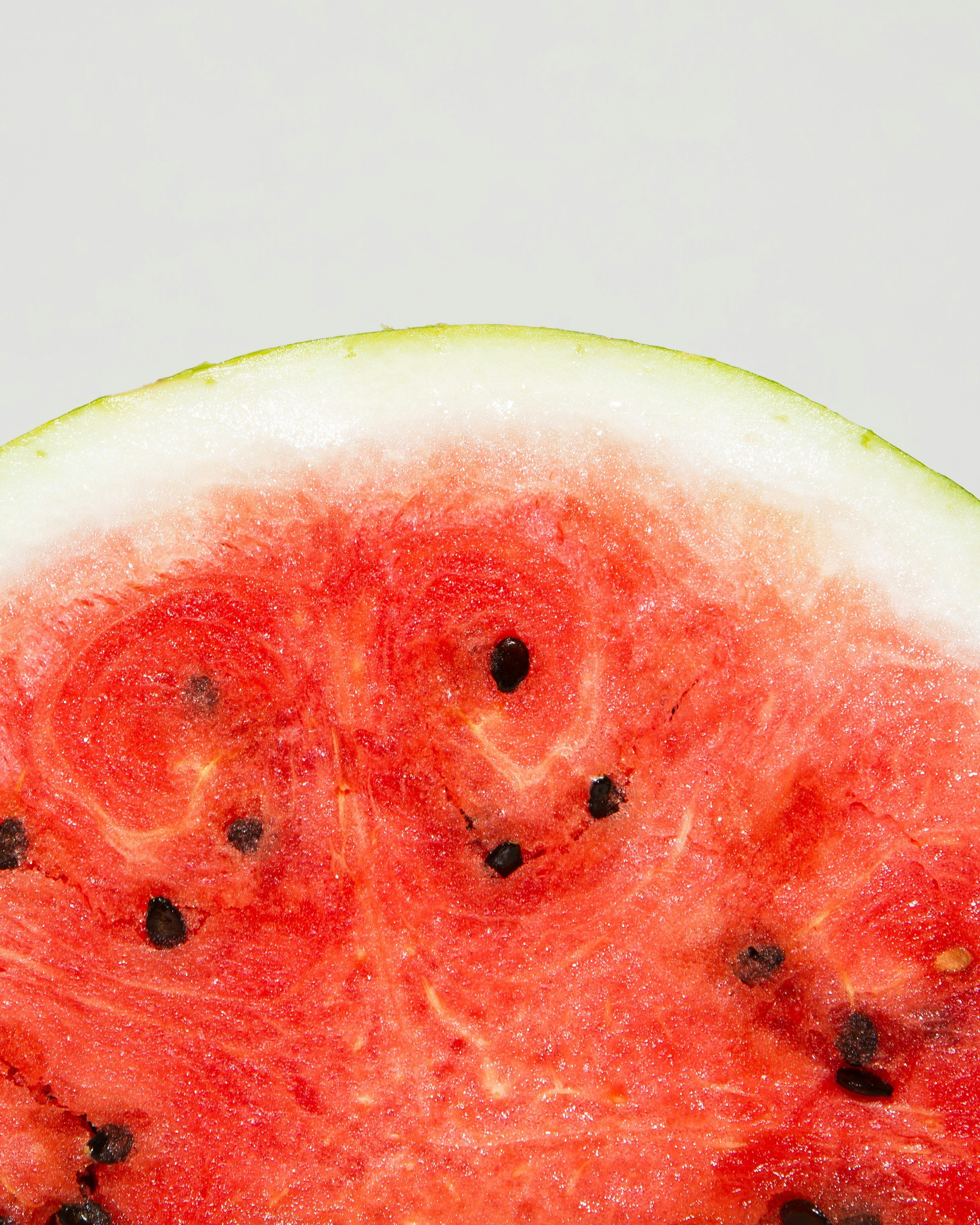
With its vibrant flavor profile, and the blush red color that would attract any condiment collector, watermelon has lower sugar content than you’d expect considering its perceived sweetness, at only 5% sugar content by weight (grapes are 3-4 times that amount!), it’s not enough to convert to acetic acid by itself (I usually aim for 12-15 Brix) — the large majority of the fruit is water.
I scoured the internet for watermelon vinegars, coming up with infusions and thick, balsamic-esque types, including those saccharine white balsamics sold at those ubiquitous small town/tourist destination oil & vinegar shops. While there were some examples of so-called “watermelon vinegars,” most were made from concentrate or infused with watermelon flavor.
Sure, you could always add more sugar or reduce watermelon juice down to a syrup before fermenting it, which I’ve done with a lot of fruit before, but the bright, slightly floral, subtly vegetal notes get lost in any reduction and ends up tasting more like liquified Jolly Ranchers hard candies. It’s doable, but to avoid drowning out the real watermelon flavor but cooking it too far, it’s best to sprinkle some sugar on watermelon, and let the fruit’s juice seep out until the fruit is literally steeping in its own liquid. Pour off the nectar, straining the solids before fermenting.

But why waste the left behind watermelon?! This may be a case scenario that can best be studied in how watermelon also interacts with vinegar. In my book, Acid Trip, I highlighted Boston chef Ken Oringer’s pickled watermelon rind recipe from my Clio days, which he’s since reprised in some form or fashion at Uni, the Japanese concept he opened in its stead. Oringer uses the often-discarded white rind of watermelon as an accompaniment to fatty sushi-grade tuna. It’s opulent and familiar at the same time, and remarkably easy, utilizing equal parts rice wine vinegar and sugar, with freshly-grated wasabi, salt and spices (Szechuan peppercorns, whole cloves and fennel seeds). It’s tingly, tangy, and the perfect crunchy pickle for superior sashimi. Or if you’re just looking for a simple, or cheffy up version of watermelon salad (e.g. Chef Bryan Lee Weaver’s charred watermelon salad from Redhead Stranger, a progressive taco shop in Nashville, Tennessee), doesn’t disregard the dregs of juice left behind — it may just turn into your favorite fruit vinegar.