
Using Vinegar in Cocktails
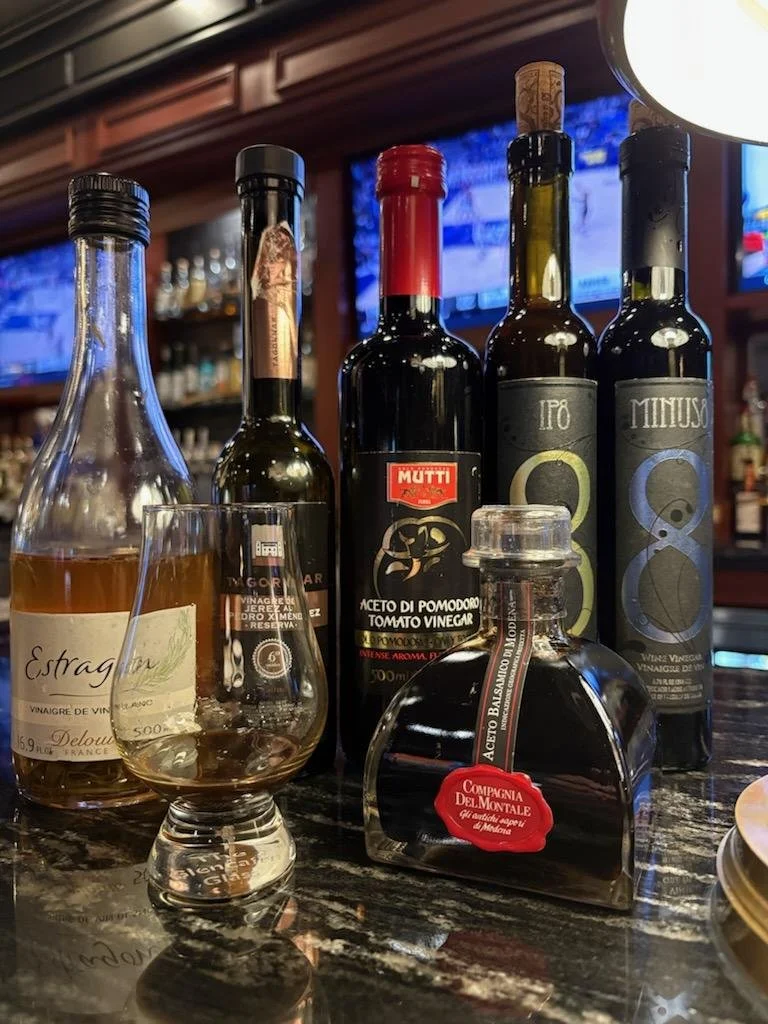
“In my professional experience, outside of craft cocktail bars and gastropubs, the average American still turns their nose up at the idea of ‘drinking vinegars,’ or vinegar being used as a sizable component of a cocktail's make-up. Had I never tried shrub before, I think my reaction to drinking a half cup of vinegar would also be unenthusiastic, so I don't blame them,” says Steven R. LeBlanc, Beverage Director of Max Tavern & Max's Swing Lounge in Springfield, MA.
That vinegar isn’t perceived as a drink ingredient is one of two issues with using it in cocktails – the other is knowing how to use it correctly and judiciously. But for LeBlanc and many other bartenders, the sharp acidic tang of vinegar in a cocktail is a welcome addition and can become an obsession.
He continues, “I have been interested in utilizing various types of vinegar in cocktails ever since I fell in love with shrubs early in my career as a cocktail bartender. I wanted to see what applications they could be used in, and how far I was willing to take my own fermentation experiments with odd flavor combinations. I still like to feature at least one main menu cocktail each season which features vinegar in some capacity,” he says.
The Shrub Story
Many other bartenders have also been introduced to the concept of drinking vinegar in the form of shrubs. So what the heck are they?
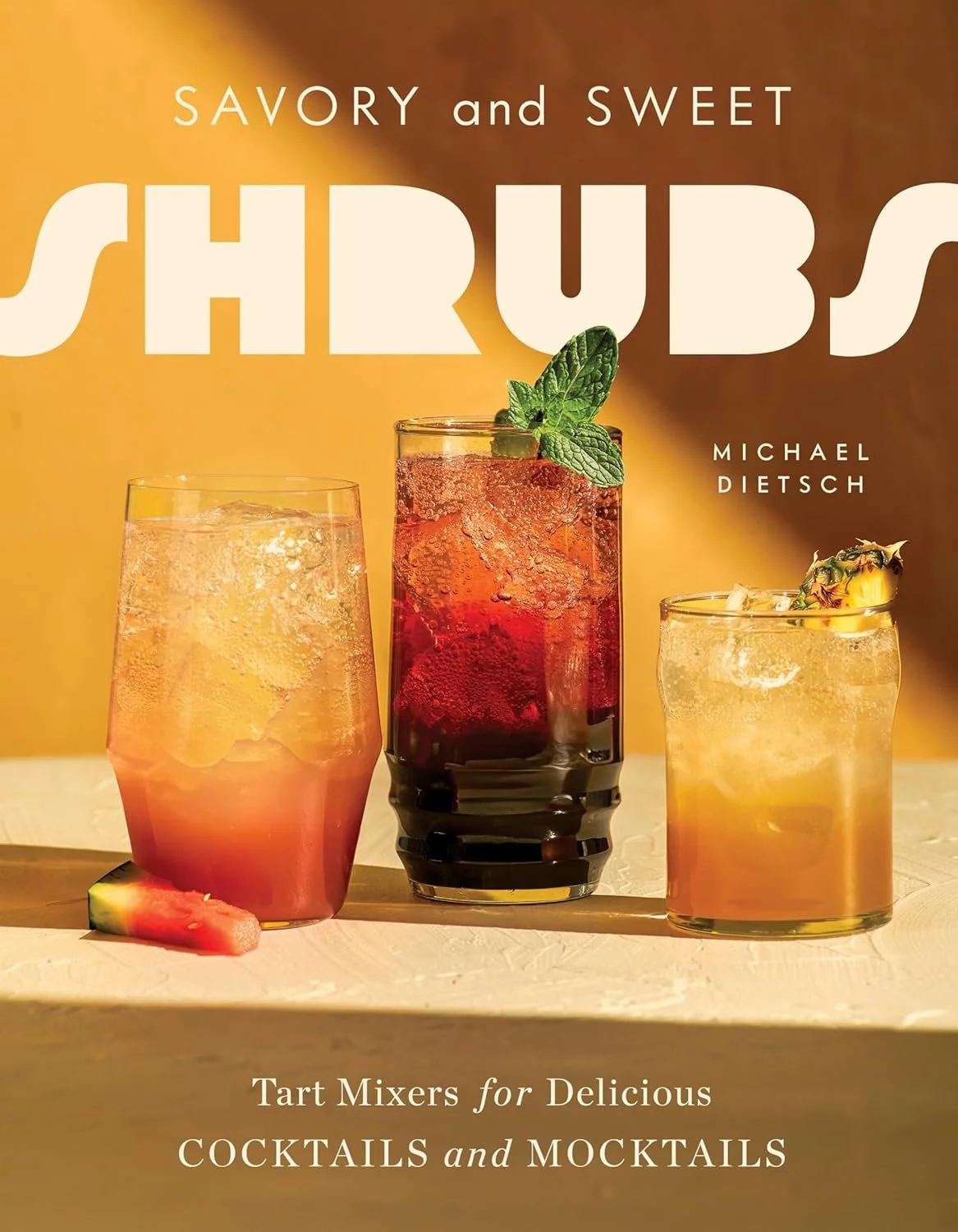
Michael Dietsch, author of Shrubs: An Old-Fashioned Drink for Modern Times (2016) and now Savory and Sweet Shrubs (2025) writes, “A shrub is nothing more than an acidulated syrup used to make mixed drinks and cocktails.” The acid can be from vinegar (acetic acid) or from fruit (citric acid) but it’s the former we’re talking about here.
The simplest shrubs might be in the form of a berry or fruit, plus sugar and white vinegar. More complicated ones may include a mix of produce, herbs and spices, different sweeteners beyond sugar like honey or maple, and vinegar from a number of sources like apple cider, rice wine, or grapes.
Because shrubs include sugar and acid, they hold a balance of sweet and sour. They can be used as sort of sour mix, but the intensity of the vinegar is usually best toned down: Many recipes in Dietsch’s latest book call for additional citrus and sugar to be added to a shrub in sour-style cocktails like the Margarita and Sidecar.
LeBlanc agrees with that sentiment, “Cocktails featuring other sources of acid (sours, fizzes, collinses) can benefit from a more liberal dose of vinegars, so long as there are appropriate sweeteners and additional acids to help balance them… Introducing multiple types of acids into a cocktail is like different instrument groups playing the same harmony: the tune is the same, but it's deeper, more layered. Tiki culture has reveled in its celebration of the endless combinations of sweeteners, fruit juices, and split-base spirits: Pairing vinegars alongside fresh citrus is no different.”
The Shrub Comeback
Somewhere in the early days of the craft cocktail renaissance, bartenders rediscovered shrubs. Eric Felten, columnist for the Wall Street Journal, wrote about them in the paper and in his 2007 book How’s Your Drink? They became a hot trend in craft cocktail bars as mixologists made them with seasonal ingredients in-house; ingredients formerly muddled during the salad-in-a-glass era.
Later on, commercial brands of shrub syrups proliferated, and rows of small bottles of them would be found lining shelves near the bitters in specialty cocktail shops and gourmet food stores. Several brands like Crafted Cocktails and Tait Farm Foods make commercial shrub syrups, though several other brands that launched around 2010 are no longer around.
Shrubs as Nonalcoholic Cocktails
Shrub syrups can be added to fizzy water to make easy instant nonalcoholic sodas. The vinegar adds a touch of zing to an otherwise run-of-the-mill carbonated mocktail. For a while, especially in the days before nonalcoholic spirit replacements became popular, bartenders relied on shrub syrups for a good portion of their nonalcoholic cocktail selections. At one point, a fellow drink writer commented that instead of mocktails that were too syrupy sweet, now they’d all become puckeringly sour with excessive vinegar. Luckily things seem to have balanced out.
In recent years as ready-to-drink nonalcoholic cocktails and adult sodas have become more sophisticated, some canned shrubs including Shrubbly and Quaker City Shrubs have also come onto the market.
Just A Dash Will Do It

William Cao, bar manager at San Francisco’s The Progress, says that a little bit of vinegar goes a long way. They store their smoked chili vinegar in dasher bottles and use it in a drink called the Conejo Malo with tequila, carrot, cilantro, habanero, hojicha, turmeric, lemon, and seltzer.
LeBlanc says, “For spirit-forward cocktails, I tend to keep [vinegars’] addition between one to two barspoons, serving to subtly accent the base spirits without dominating the cocktail and throwing off the balance of the drink. Small amounts of white balsamic vinegar, citrus-infused champagne vinegars, or fruit vinegars (raspberry, pomegranate) work well with sparkling wines, fresh red berries, floral flavors, and cocktails utilizing unaged spirits, such as vodka, gin, pisco, sotol, or blanco tequila; while balsamic and apple cider vinegars work better alongside sparkling cider, stone fruits, apples, pears, dark berries, maple, molasses, and aged spirits, such as whiskies, Latin American rums, cognac, armagnac, and even anejo tequila.”
Beyond flavor pairing, vinegar can be a good contrast to thicker elements in cocktails. LeBlanc says, “They can be great at cutting through rich sweeteners like honey, maple syrup, molasses, agave nectar, and even the pectin of fruit jams.”
Larger Volumes
To experiment with vinegar in the form of shrubs or on its own, Joe Riggs, outlet and beverage manager of Charr'd Bourbon Kitchen and Lounge at the Marriott Louisville East, suggests looking to long drinks. “Vinegars can be more easily applied to long drinks as they over deliver flavor by volume. Vinegar can benefit from carbonation to unlock complexity and yeast notes,” he says.
As an example, he cites the Mojito as a drink with which to experiment. He says, “Mojito riffs are a great playground for learning how to appreciate vinegar. Carbonation elevates the nuance of fermentation in the vinegar that your palate may not discern in a stirred application. My favorite example is a Mojito riff made with beet juice, apple cider vinegar, ginger beer, and dill.”
Bringing Something Along
Vinegar is useful beyond it being a delivery method for acetic acid. Vinegars carry the flavor of their raw material – grapes, apple or plum wine, etc., plus additional fruit, herb, and other flavors infused into them. Specialty grocery store shelves are lined with vinegars in flavors from yuzu to truffle to tarragon, and these products can provide an alternative method of transferring these secondary flavors to cocktails.
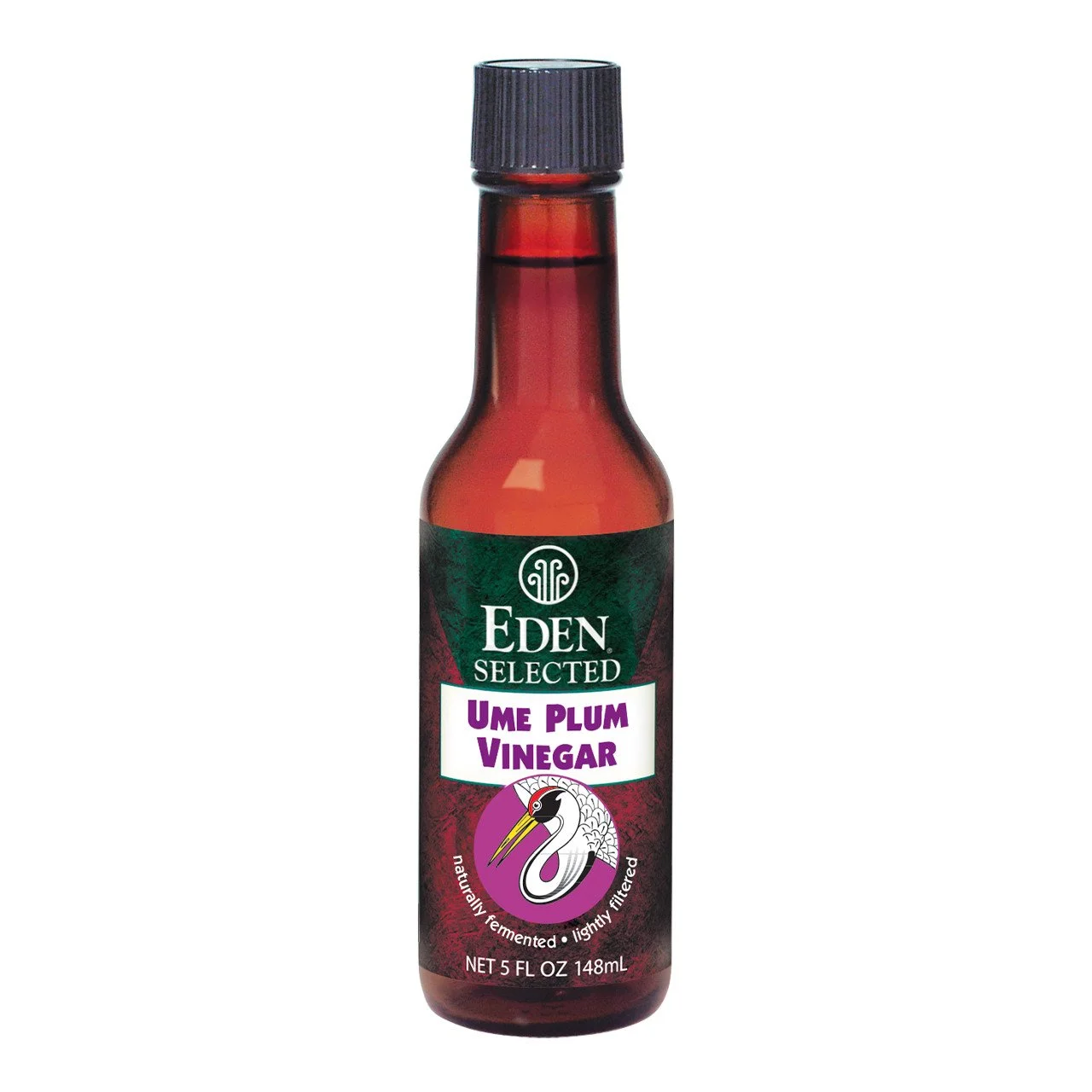
LeBlanc cites an example of this. He created a Cosmopolitan variation he called the Power Cosmic, made with Buddha's hand vodka, lime, hibiscus tea, and passion fruit liqueur. It was finished with “a full dash” of Eden Foods Umeboshi Vinegar that is a red brine left over from the fermentation of Japanese pickled plums, plus sea salt and red shiso leaves. LeBlank says he used it like bartenders use saline solution in sour-style cocktails.
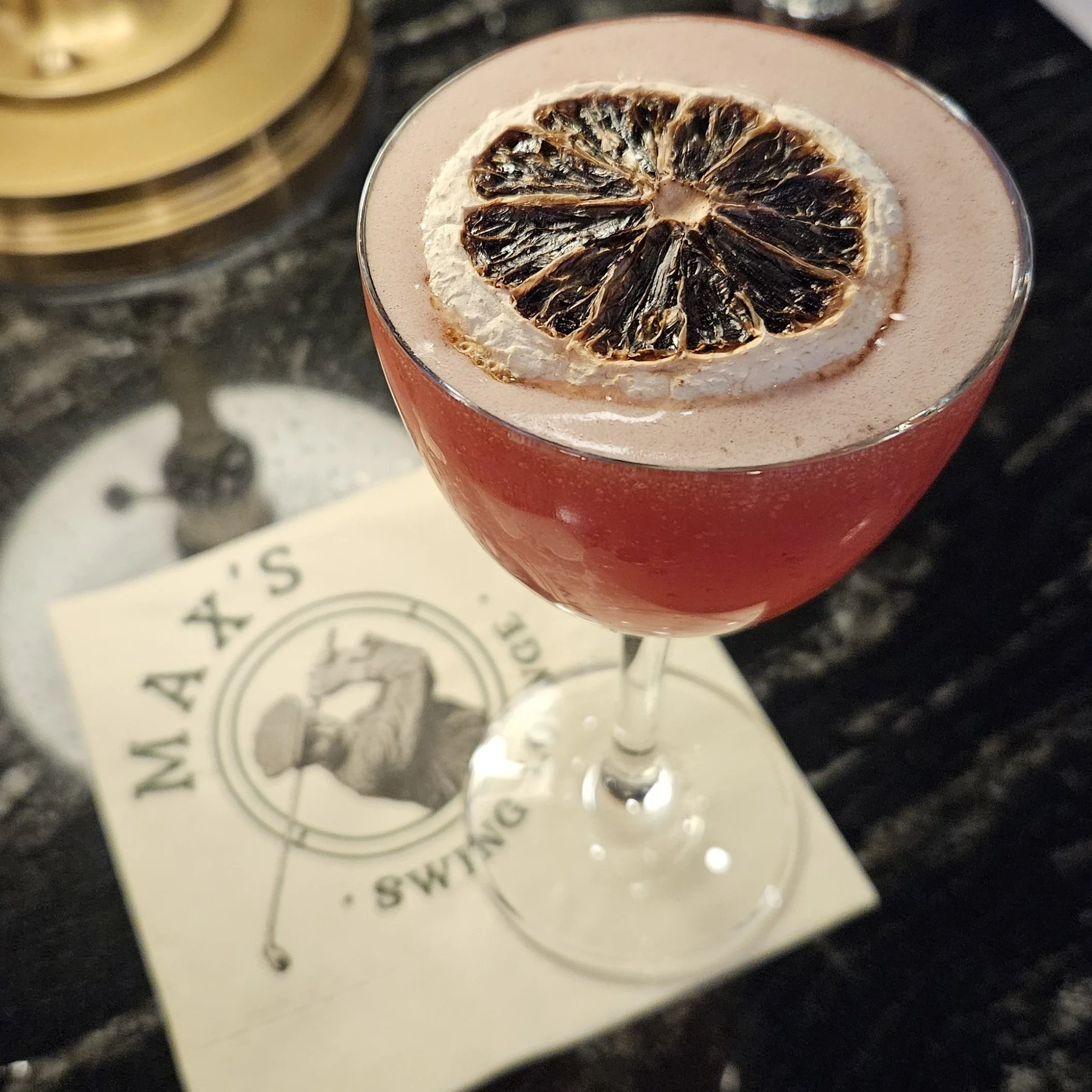
He says, “It blasts every flavor component in the cocktail to new heights. To nobody's surprise, the Power Cosmic remained the best-selling cocktail on the restaurant's menu through three menu changes.”
There’s a good comparison between a dash of salt in your soup to that of vinegar in a cocktail. Le Blanc says, “I prefer vinegars to be the glue which brings all other flavors together in a subtle, sneaky way that's not immediately apparent to your palate. In the same way we don't want our food to be over-salted, but notice immediately when there isn't enough: Everything just tastes bland.”