
Christine Flynn Easy Does It, Except With Vinegar!
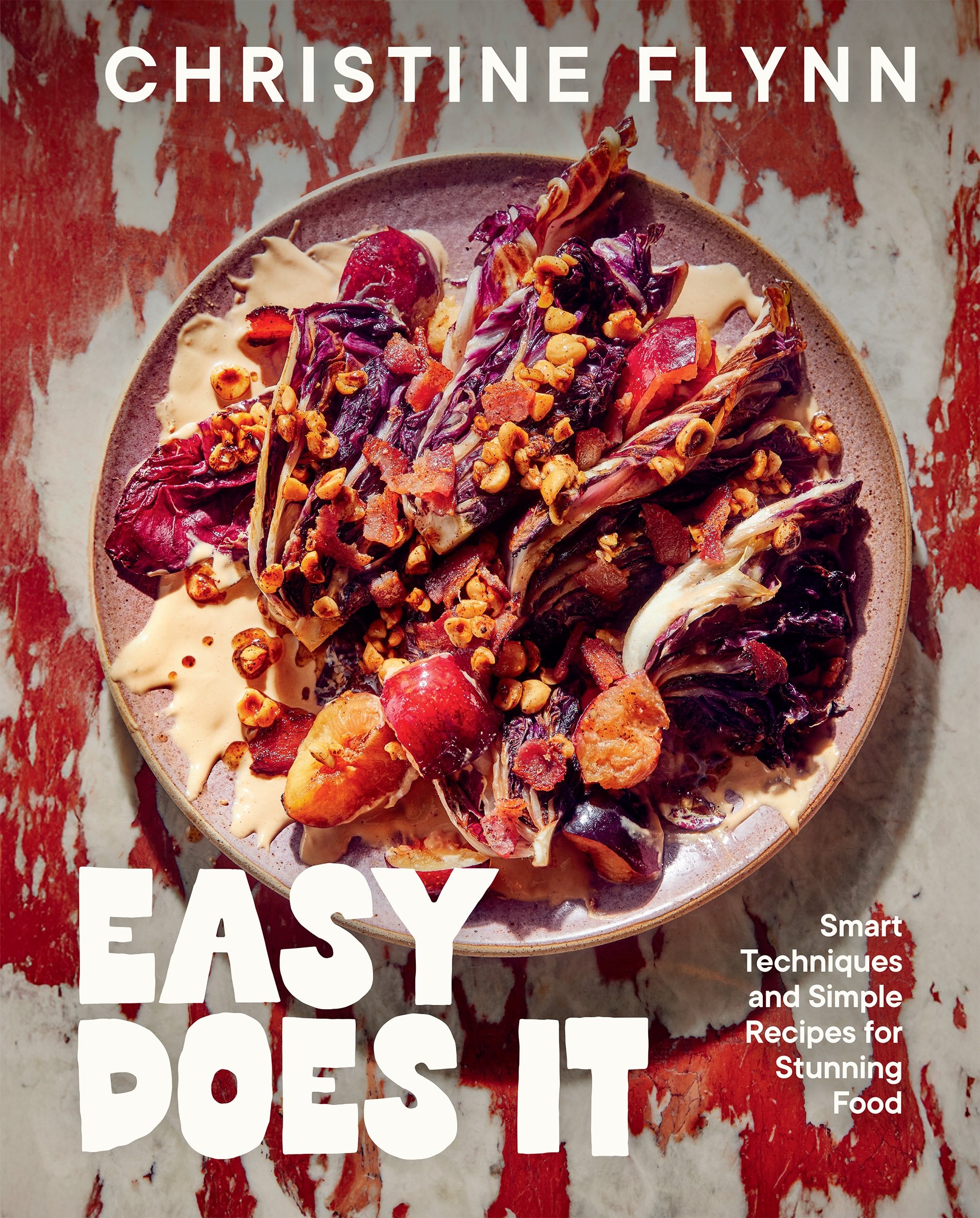
Photos and recipes excerpted from Easy Does It by Christine Flynn. Copyright © 2026 Christine Flynn. Photography by Suech and Beck. Published by Penguin Canada, a division of Penguin Random House Canada Limited. Reproduced by arrangement with the Publisher. All rights reserved.
Cookbook author Christine Flynn is a minimalist to the max. In her third, and most recent book, Easy Does It, Flynn who lives on the South Shore of Nova Scotia with her family and all sorts of farm animals, brings a global cooking perspective, calling on her experiences cooking in restaurants from Burgundy to Nantucket. It’s a distillation of simple strategies employed in restaurants that can easily be put to use in your own home kitchen, in the name of “doing more with less.” But one ingredient she never cuts corners with is vinegar. I caught up with Flynn to talk about how she uses acid in her cooking, both for its practicality and its function as an outright powerhouse ingredient.
Tell me about yourself, and how you got involved in food?

Christine Flynn Alternative Headshot Photo Credit Suech and Beck
I grew up in Canada and the UK, moved a lot, and always loved eating. When I was in university I started working in a German bakery in Nova Scotia. [After that I ended up moving to Nantucket and running the Sconset cafe during the summer. I’ve staged in Burgundy, lived in Germany, and in my thirties ran a healthy fast casual concept. Then I pivoted again, running a winery in Ontario, I did cooking classes there, and really got into agritourism. When that winery changed hands, I bought two acres in Nova Scotia and moved here with my family about a year ago. We have a wacky little farm, a few animals, and beautiful gardens.
What are your first memories of vinegar in your culinary life?
Fish and chips with little packets of Heinz malt vinegar by the seaside — it’s one of those formative taste memories I feel lucky to have.
What dishes you and/or your family/friend made that highlighted vinegar?
My parents were both skilled cooks and I understood from a young age that different vinegars were required for different things. We used plain white vinegar to dip lobster in, sherry vinegar for braised chicken, balsamic for salads, and so on! Hard to land on one dish as vinegar was just as much a part of seasoning as salt and pepper.
What vinegars do you have in your pantry right now?
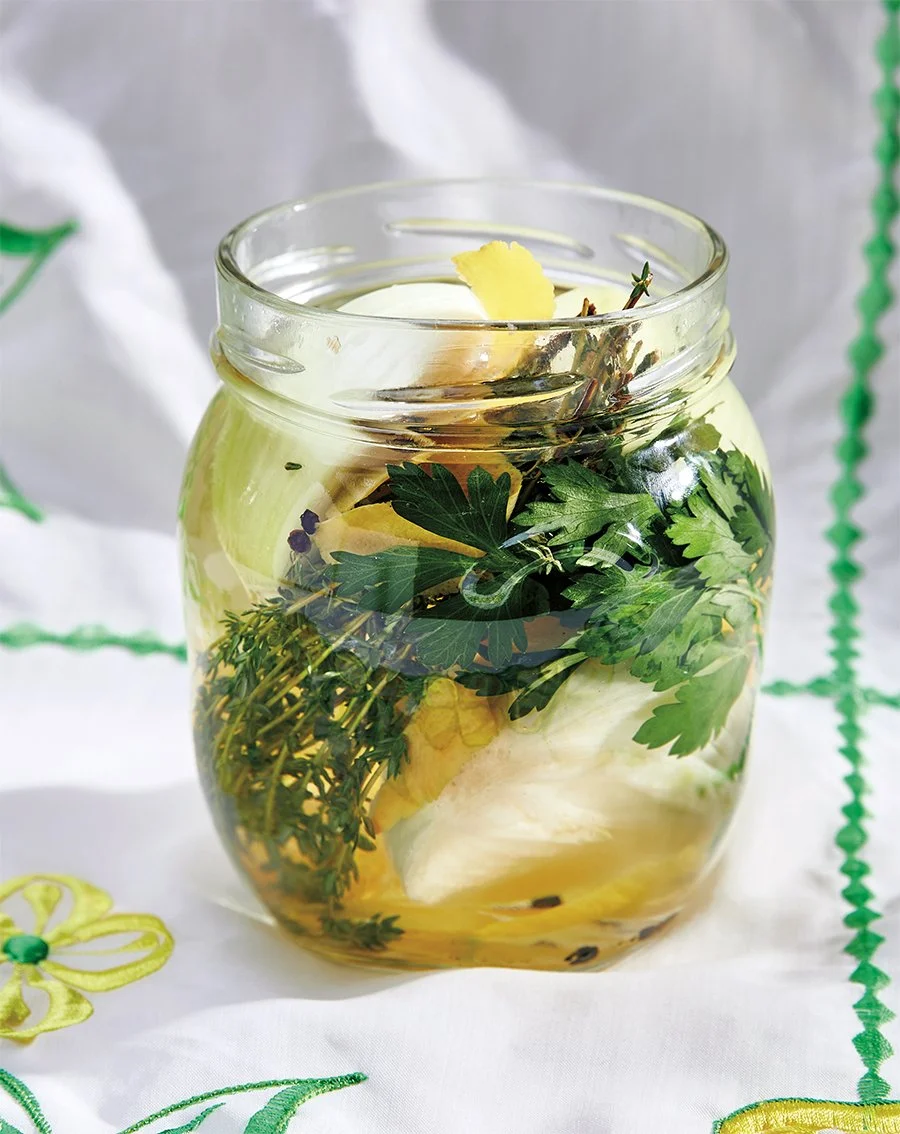
I have a big jug of white vinegar and a handful of infused vinegars I’ve made from it: including sour cherry, chive blossom, and lovage. I almost always have a black vinegar and red wine vinegar, but right now, because I’m recipe testing for some other cookbook authors, I also have rice wine vinegar, apple cider vinegar and balsamic. I also keep jars of pickle brine - I’m not sure if that technically counts but it should!
Tell me more about these infused vinegars.
My kids are instigators for vinegar making.[I’m always] trying to make something flavorful for pennies, as if I’m Old Mother Hubbard. Future you will thank present you when you make vinegars
My infusions are very basic. They’re a way to preserve flavor. Lovage has a unique flavor and in the winter I splash the vinegar on chicken and dumplings that could use herbaceous punchiness. When early spring hits, [I infuse] chive blossom as soon as I can which goes in a Caramelized Onion Dip for color and flavor. Rhubarb is in the same camp as [infusing a vinegar with] raspberries and strawberries, but to me it feels a little more refined and less campy. I use them in some desserts as a sweet vinegar, to lift a cake, or in baking, to active leavening agents. We only get about a dozen sour cherries on our trees in the summer, so I’ll preserve their flavor in vinegar. Anything I can pull off a bush, I'll just chuck it in a jar. Hot pepper vinegar, you do run out of things at home, especially with three kids, so for nacho night tacos, hot vinegar never goes bad — it's great!
In your new book you have a recipe for “Everyday Vinegar” which is a white vinegar infused herbs (e.g. thyme, parsley), onion and black peppercorns … Can you tell me how that came to be?
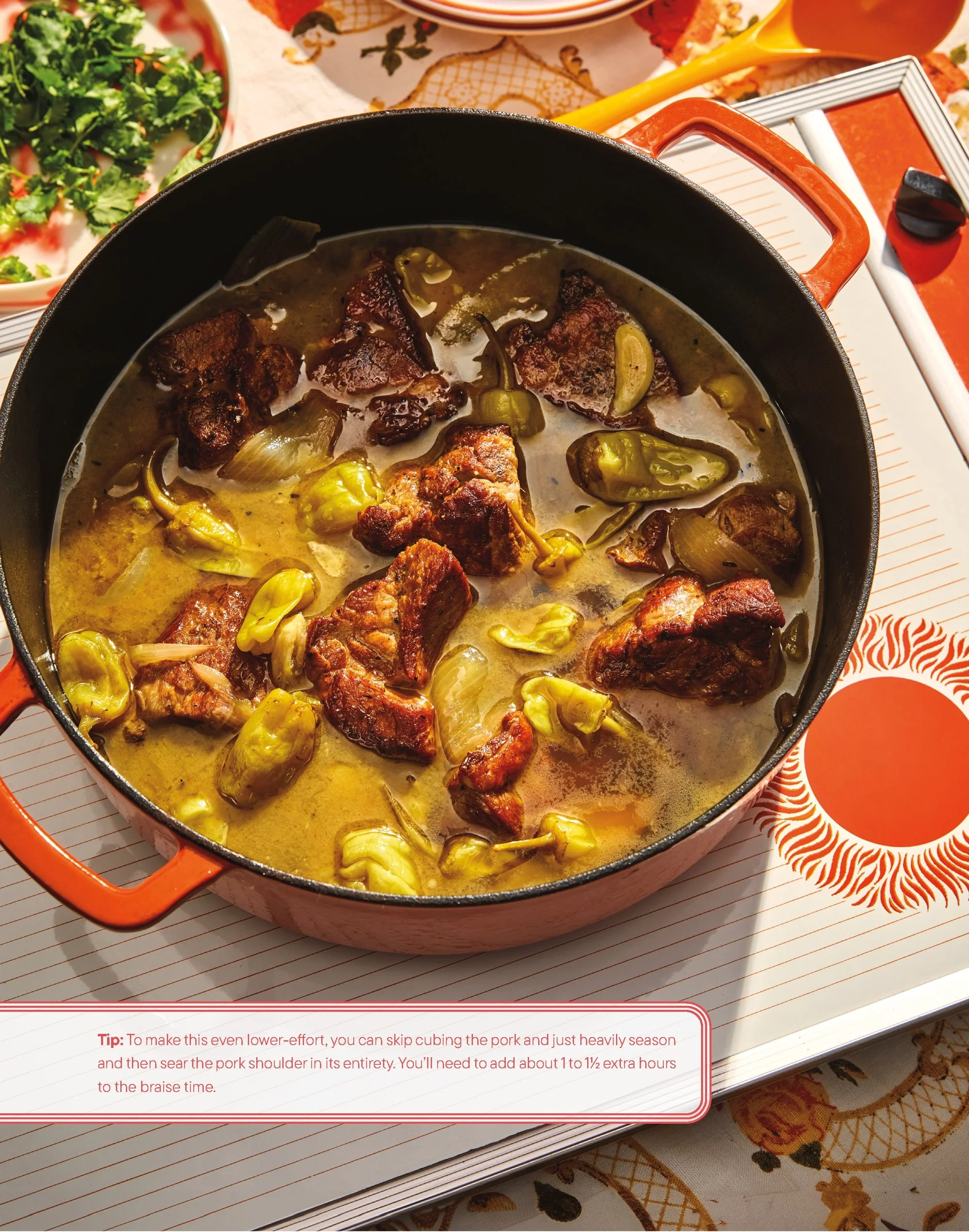
Pepperoncini Braised Pork Shoulder
Flynn: It’s an easy way to add flavor — and it’s my way of teaching people you can do more with what you have than you might think. This book hit the zeitgeist at the right time when groceries are totally unaffordable. If you’ve got a roast chicken for $20 and you’re trying to feed a lot of people, using things like vinegar will give it more flavor, and make it feel premium. A gorgeous, spice-rubbed, roasty-looking eggplant swimming in a puddle of good oil and vinegar—is dramatic in its simplicity.
I’m drooling over this recipe for Pepperoncini Braised Pork Shoulder. Can you tell me about the vinegar-adjacent ingredient you use in that dish?
Flynn: My grandparents lived through the Depression; I was a single mom; there’s a lot of thrift in my family. When I have five pepperoncini left in a jar, I’ll use them as well as the brine they’re in for this dish. The braised pork is delicious with rice or grits and the leftovers are excellent in quesadillas, on nachos or in tacos. My braised beef with peppers recipe is made with straight white vinegar. Sweet peppers, for those more interested in milder braise, and also its beef.
How do you use vinegar in your daily cooking routine?
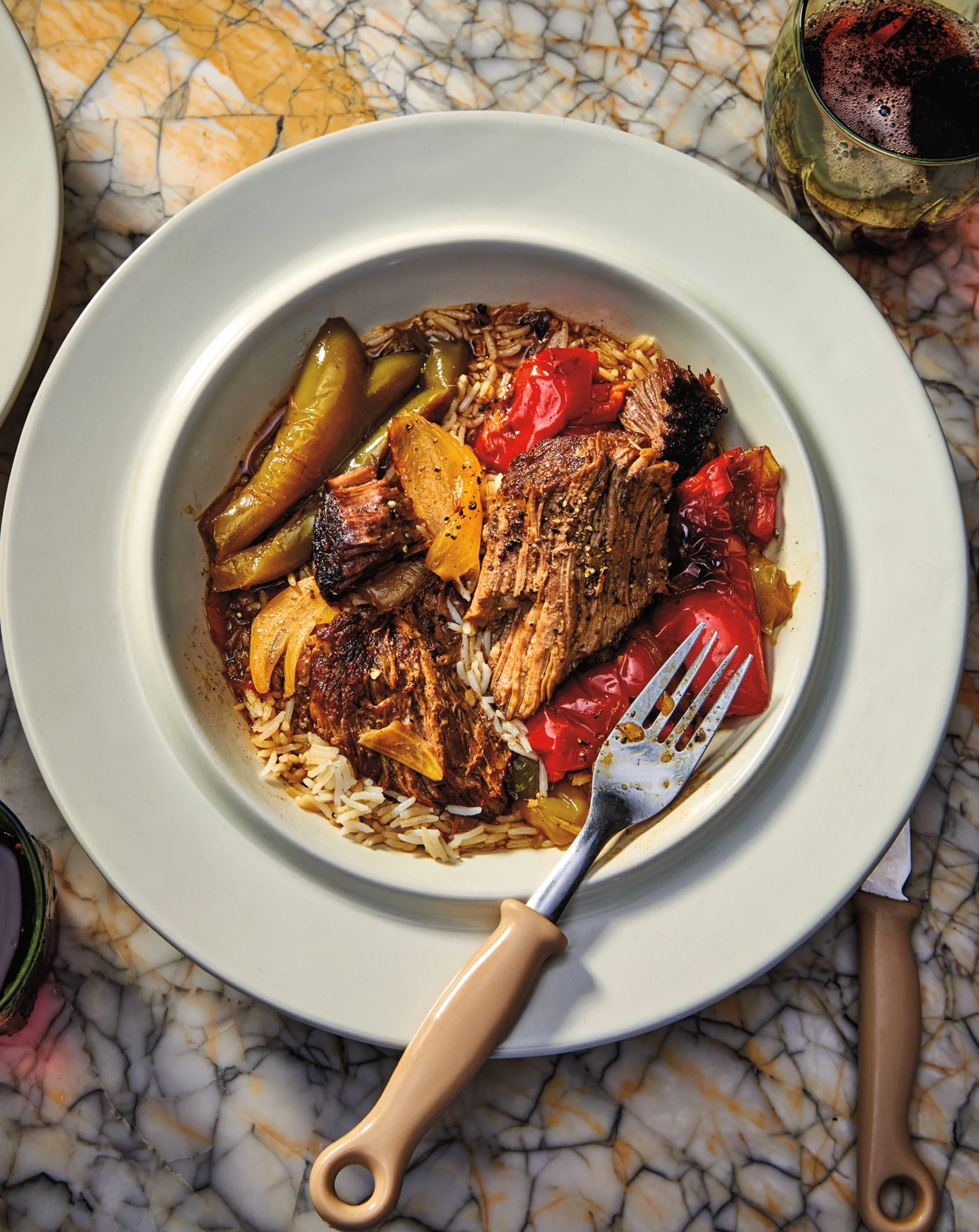
Braised Beef with Vinegar and Peppers
Flynn: I meet a lot of people who won't ever make salad dressing, but it's very easy. Braising meats, marinated cheese with a little vinegar at the end — pretty much everything that I cook I put a little vinegar in. [I always want to balance] salt, heat and acid. Limes are like $2 these days, but you can use something else more economical and shelf stable than a lime that’s been shipped all over the world. Plus, citrus has a pronounced flavor, and vinegar has so much more usability/versatility, than a lemon or a lime. I love the clean neutrality of a white vinegar.