
Ella Quittner: Obsessed With The Best … Ways To Use Vinegar
“Employ a vinegar soak in poached eggs and the whites stay more together — not wispy, ratty ghost skirts as they simmer in water,” writes Ella Quittner in her new cookbook Obsessed with the Best.
In fact, vinegar appears as the hero in many of Quittner’s self described “methodically perfected recipes,” from smashed potatoes to butter-forward shortbread. And while I found myself studying her bench-tested cooking techniques for things like crispy-chewy bacon, fluffy pancakes, juicy roasted chicken, chewy fresh pasta and superlative chocolate chunk cookies, it’s probably not all that surprising that I kept coming back to her uses for vinegar. I caught her on the phone to find out exactly when she relies on vinegar in her cooking and its potential to “best” even the simplest recipes.
What’s your favorite vinegar-dependent recipe in the book?
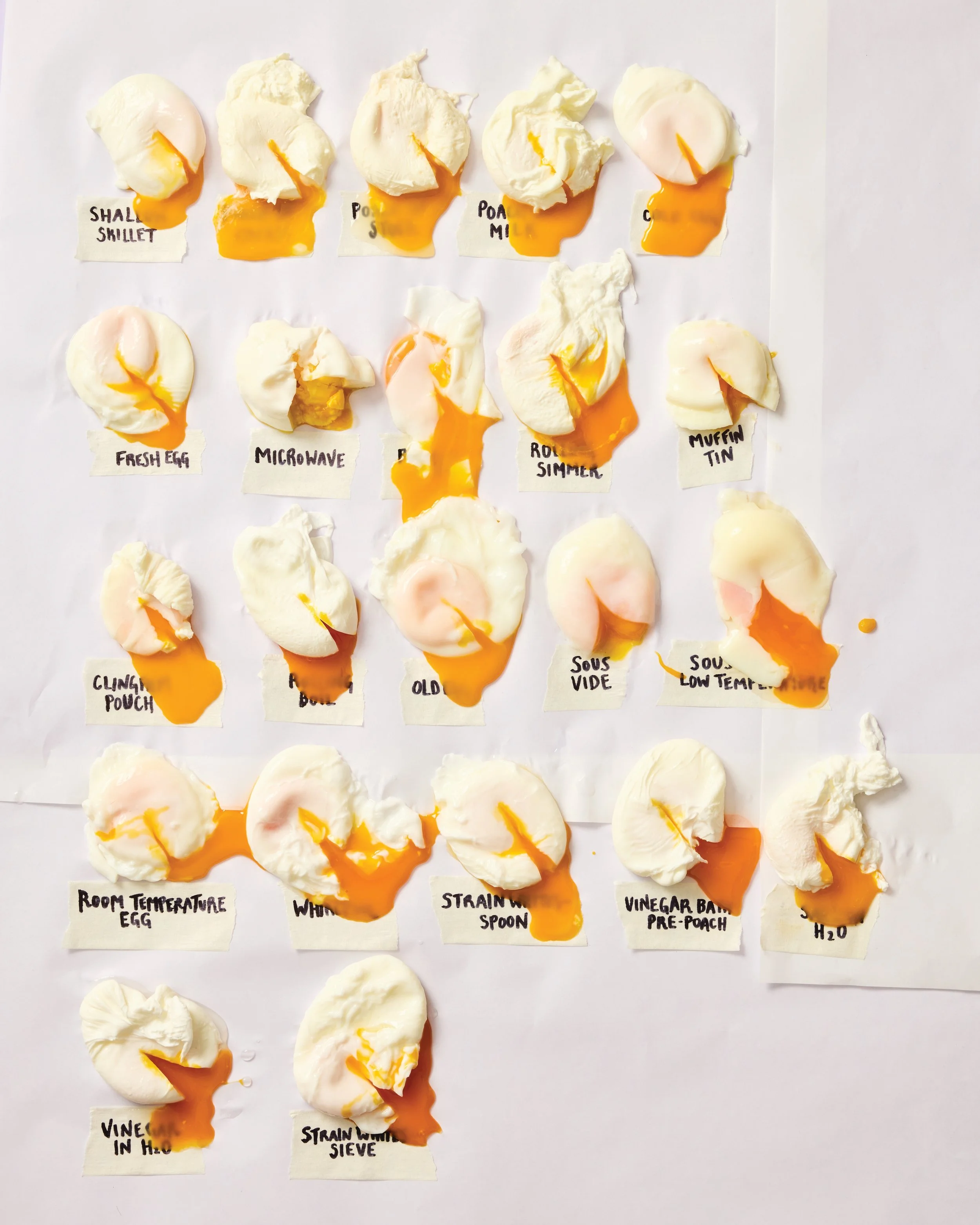
“Vinegar in milk poached eggs with ricotta-ish toast is a fun use. The vinegar coagulates the whites so they’re not bland and lacy. Then I use the same soaking vinegar to gently curdle milk for a hybrid cottage cheese/ricotta-style fresh cheese.”
I see vinegar is often a go-to in your sauces (e.g. vinaigrettes, in a spicy gingery chicken and cabbage salad).
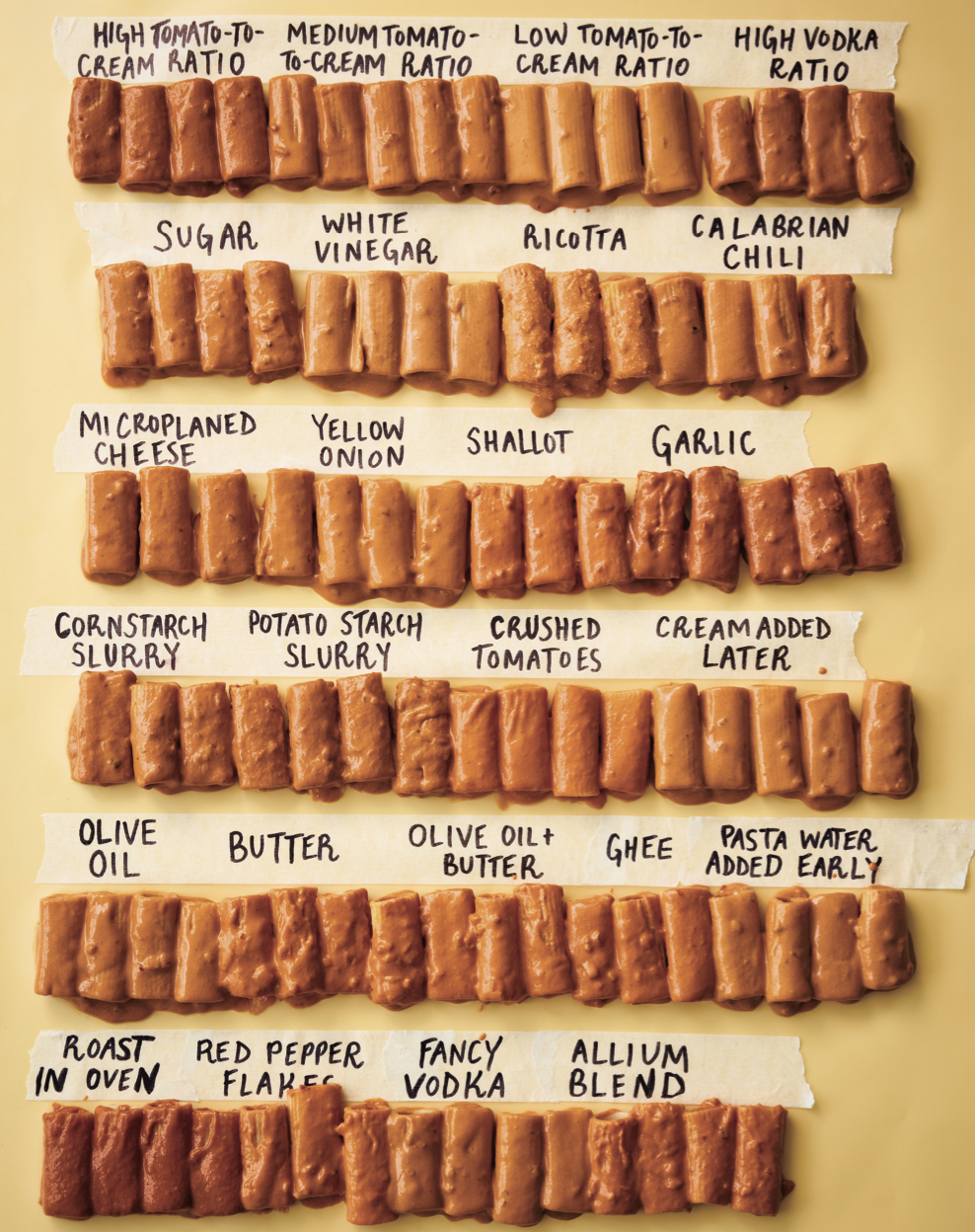
“Especially vodka sauce! I got my hands on a jar of Carbone’s Spicy Vodka sauce, [their ingredients list is] Calabrian pepper spread, with peppers, sunflower oil, vinegar and salt. [For mine version] I added white vinegar to the sauce with chopped Calabrian chiles.
Are there other unexpected ways you use vinegar in dishes?
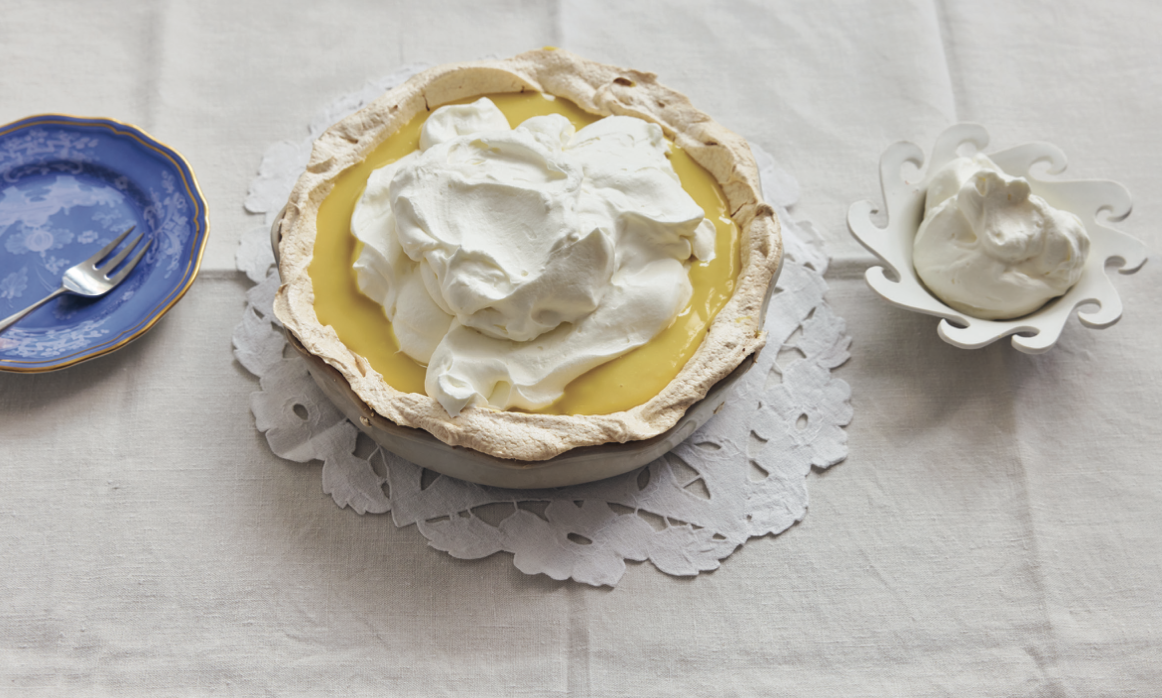
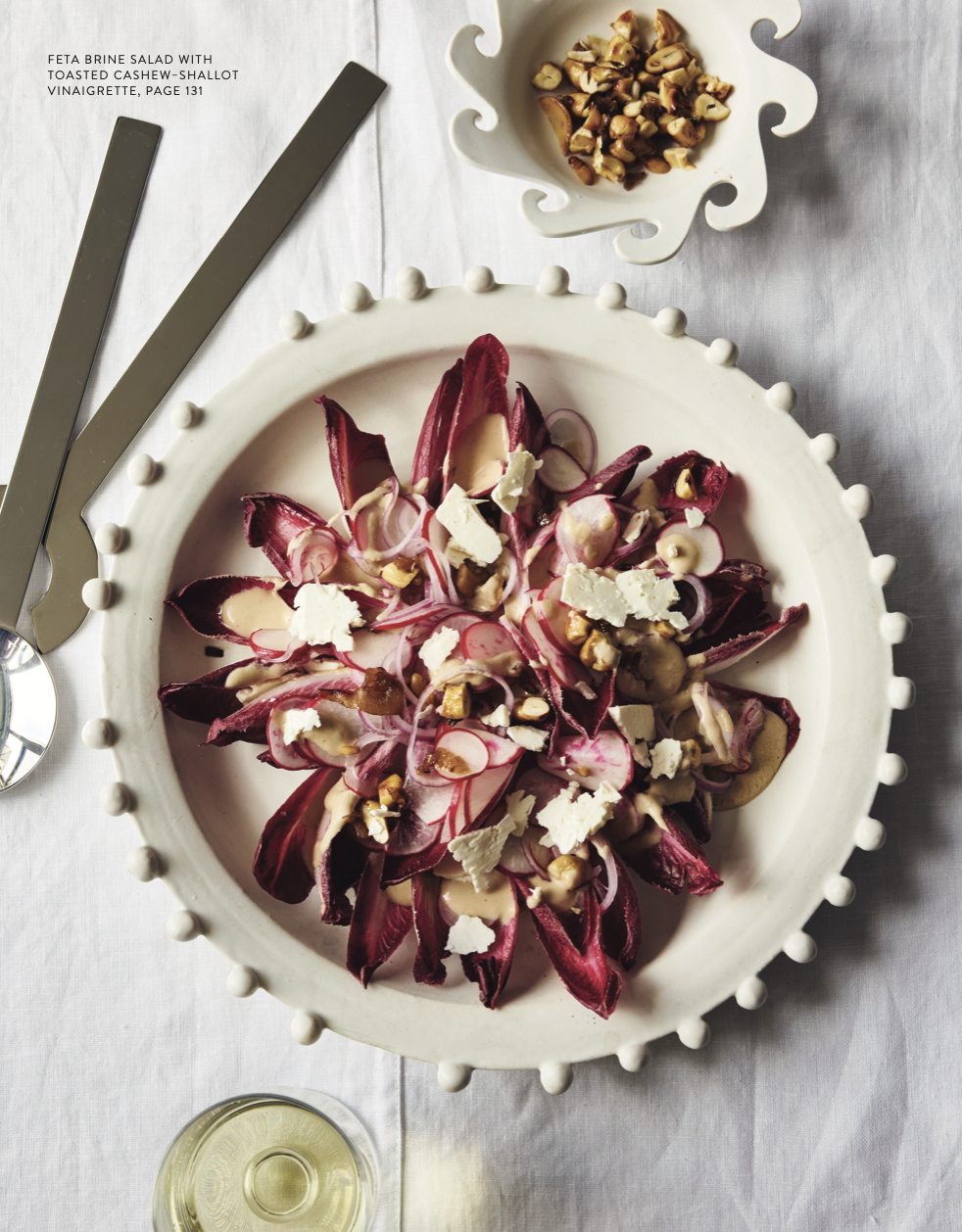
I use vinegar to stabilize my meringue in an Angel Pie; and I deglaze a toasted cashew-shallot mixture with unseasoned rice wine vinegar in my Feta-Brine Endive Salad. I don’t think vinegar should be a secret, everyone should know you should add acid to your food to make flavors pop. Vinegar can be a bit of a shortcut when you want to mimic briny, pickle-y flavors and don't have time to pickle ingredients. It adds dimension.
What are your first memories of vinegar?
When I was a child, I lived in Long Island and went to the city to eat dim sum on weekends; I remember having black vinegar dipping sauce with our dumplings. My parents cooked with a lot of rice wine vinegar; my dad would sometimes make sushi rice [with rice vinegar]. During summers, with really good east coast tomatoes, [I added] sweet, thick aged balsamic vinegar. And Nora Ephron’s vinaigrette [from her novel Heartburn] with red wine vinegar, Grey Poupon mustard and olive oil [on salads].
In your most writerly way, how would you best describe the flavor of vinegar?
Vinegar can be extremely arresting, like unripe strawberry. Puckering. Your palate squeezes up, but in an exciting way. It stops in your tracks to think about what's in your mouth.
What are your best practices for integrating vinegar into recipes at home?
So, if you use vinegar at the beginning of the recipe, it [the vinegar] will undergo a loss of freshness and brightness, but you’ll get deeper and more entrenched flavors. For fresh vinegary sourness, add it closer to the end of the recipe versus before you apply heat. If you’re looking to meld and build flavors earlier on, add it during the middle [of the recipe] just like you would salt.
Do you have a go-to vinegar?
I’m pretty basic when grabbing stuff at supermarket, e.g. Marukan rice vinegar. I’m not picky about white vinegar, but sherry vinegar I’m a little picky about: Columela 30-year aged DOP. The only “fancy” one I have is balsamic. Somewhere in between childhood and adulthood I lost my taste for balsamic. I was wondering why people are so crazy about balsamic, so I traveled to Emilia Romagna for the book. Chefs Rita Sodi and Jody Williams have a little specialty shop [in NYC’s West Village], called Officina 1397 and the Leonardi 5-year that they have was a gamechanger. Now my husband and I use it all the time.
It’s not in my book, but rice vinegar is the vinegar I reach for most. Its subtle sweetness shines through proteins, vegetables you're marinating, and plays nicely with other liquid seasonings like soy sauce, sesame oil, and Dijon. I’d use rice wine vinegar for quick pickles, if I had to pick one. It’s more floral than white vinegar, while not competing with other flavors.
What’s the sleeper hit vinegar recipe in the book?
The schmaltz vinaigrette for Roast Chicken My Way [by adding sherry vinegar to a skillet full of dripping and shallots]. I also have a house cocktail that’s in the fermented family and that I use for writer's block: pepperoncini brine and gin shaken over ice.
***Photos: Nikole Herriott, Michael Graydon Food Stylist: Sue Li Set Design: Kalen Kaminski