
The Mayo Trio: Eggs, Oil and Vinegar
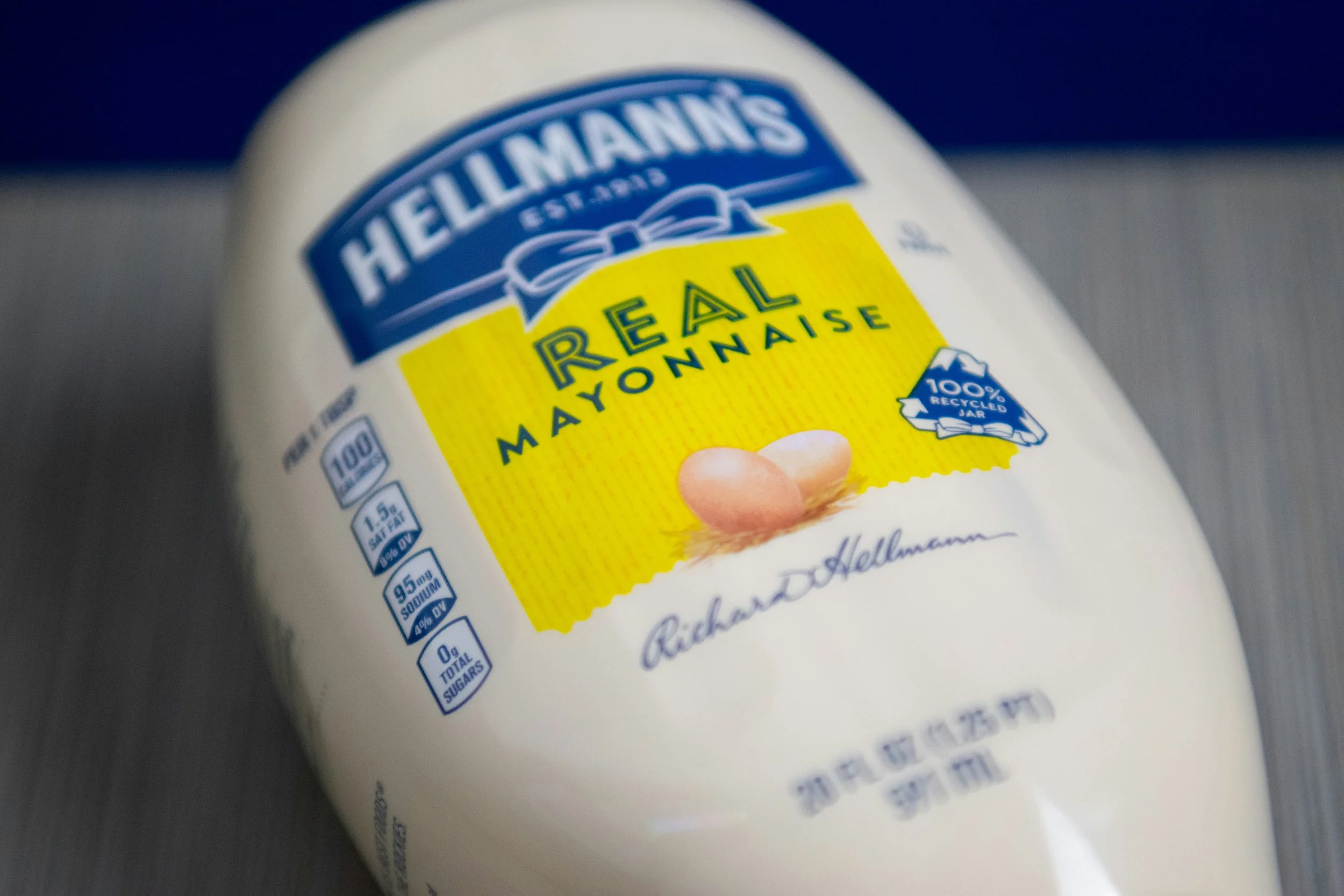
The average American eats roughly 4 pounds of mayonnaise per year — nearly 1.5 billion pounds as a country — putting it in and on everything: from summertime BLTs to potato and/or pasta salads, coleslaw and even Great Depression era chocolate mayonnaise cakes! It’s a centerpiece of Americana even though we aren’t the progenitors of it — that begins with a debate between France and Spain in the 1750s during the Seven Years’ War. Richard Hellman, a German immigrant, popularized this mythical pale-yellow emulsion of egg yolks, oil and vinegar in the States in 1905 when he began serving it at his New York delicatessen. I don’t want to turn this into a debate over which mayonnaise is best, be it Japan’s Kewpie (which started out as a vinegar company!), made with red wine vinegar and rice vinegar, The South’s Duke’s or even Molly Baz’s newest-to-market Ayoh, both of which combine apple cider vinegar and white distilled, there’s no doubt that mayonnaise begins and ends with vinegar.

It’s not just our traditions and taste preference that think so — so does Ali Bouzari, a culinary scientist and co-founder of Pilot R&D, who’s certainly come across their fair share of shelf-stable mayo, much of which will see its time in the sun this 4th of July. To appreciate mayonnaise in all its creamy, rich and tangy glory, is to understand how it’s made, and how intrinsic the inclusion of vinegar is to make it great. “Most commercial mayo is 60-70% oil,” states Bouzari of an egregiously high oil content in most CPGs (consumer packaged goods) mayo formulations. “There are some places where vinegar is interchangeable with another acid,” says Bouzari, “that’s one of the places (in recipe formulation) where vinegar is kind of non-negotiable.” To make a mayo shelf stable, you not only need high oil, but also low solids — part of the issue in retail is that it’s not a good idea to pasteurize your mayo. “Bringing up mayo to a simmer is one of the grossest things I can imagine,” Bouzari says.
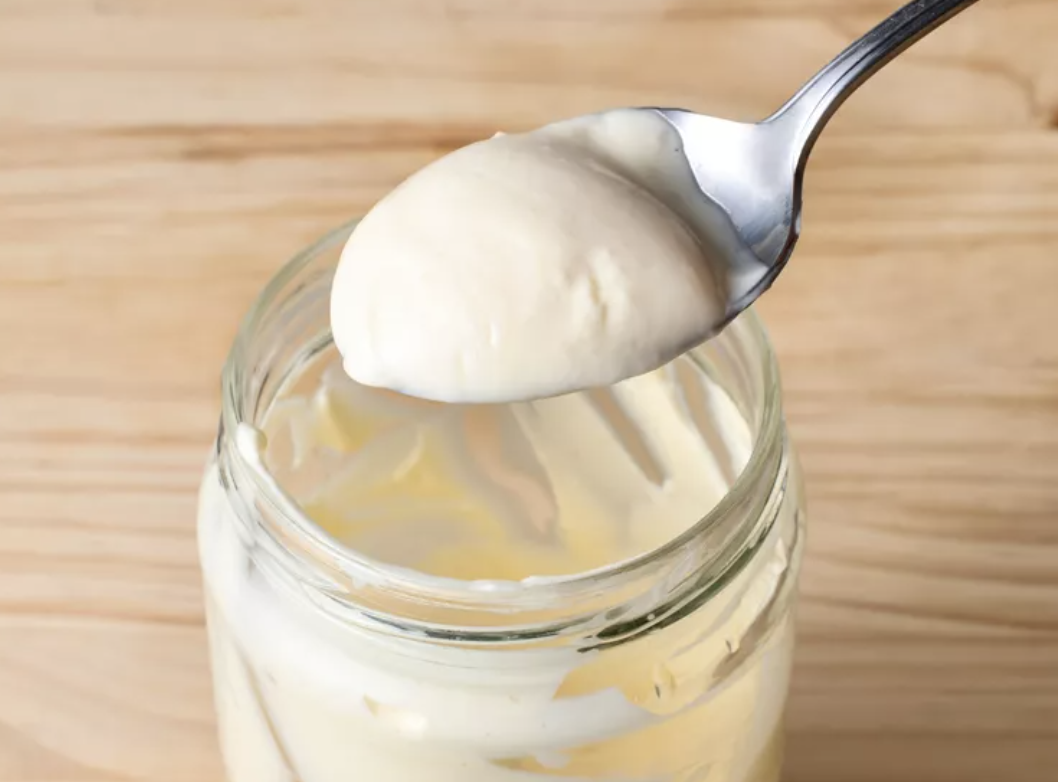
“Vinegar is a mainstay (preservative) in the eyes of the FDA (Food & Drug Administration),” mandates Bouzari. Aiming for a pH below 3.2, and a total acetic acid of 2-2.5%, Bouzari instructs that without vinegar, mayonnaise can become susceptible to things like salmonella. If you mix mayo’s ingredients together and let the jar sit at room temperature for a few days up to a week, the low pH and percentage of acetic acid creates its own "kill step through chemical warfare!,” Bouzari boasts.
Bouzari personally leans towards a mayo that’s more tart and biting, and similar to many companies he’s worked with, he prefers mayo made with “just the flavor of salty white distilled vinegar — beautiful and bright.” He’s experimented and had success with really roasty malt vinegars, nutty sherry vinegars or even black vinegars to give additional depth, when needed. But when it comes to apple cider vinegar, he stays away. “I wish it was more bracing, sour, dark and mysterious.” As for rice vinegar, it’s too mellow, he says.
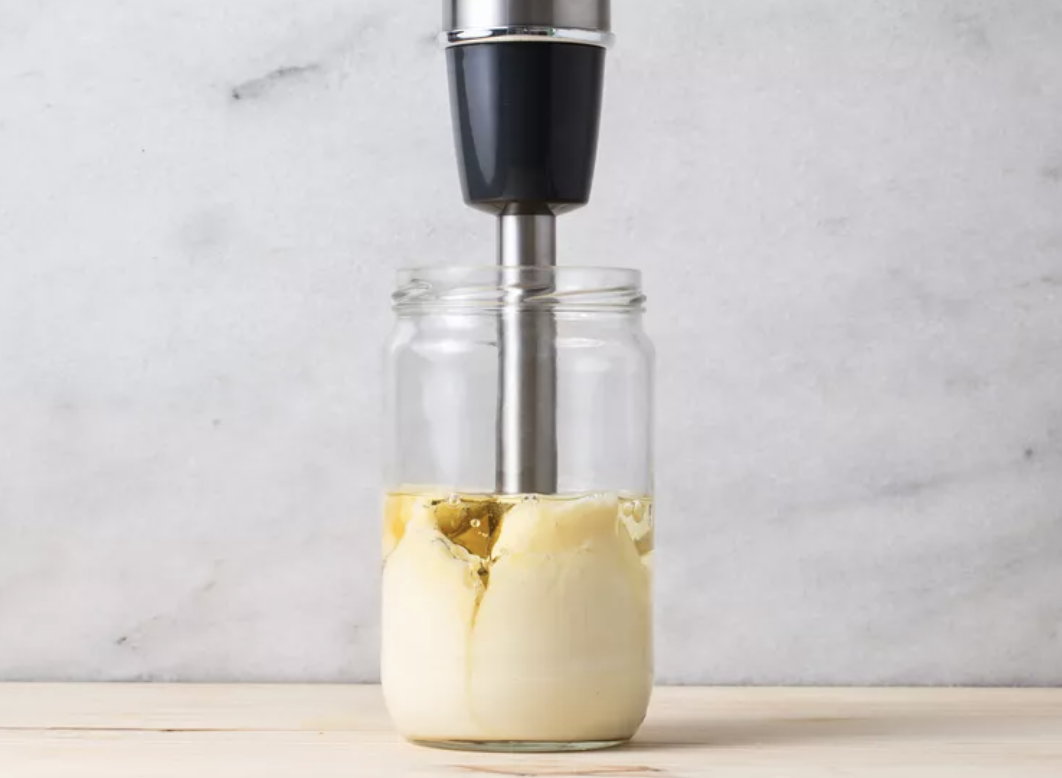
When making mayo at home, Bouzari sticks to 3 simple ingredients: egg yolks, vinegar and salt. “Basically, everything minus the oil, combined,” he says. In a manner similar to J. Kenji Lopez-Alt’s Two-Minute recipe, Bouzari loads the ingredients into a quart container and blitzes it with an immersion blender. “If it takes longer than 2 minutes, I add a sacrificial amount of xanthan gum in the base,” Bouzari remarks. Methodology aside, when it comes to vinegar the brand Bouzari’s most loyal to is Don Bruno sherry — “I’m also a fan of Sparrow Lane, it’s always great!”. Next time you spread some mayo on your sandwich, or add it into your favorite dip, know that vinegar is the real star (and stripes).