
Herb-Infused Vinegar
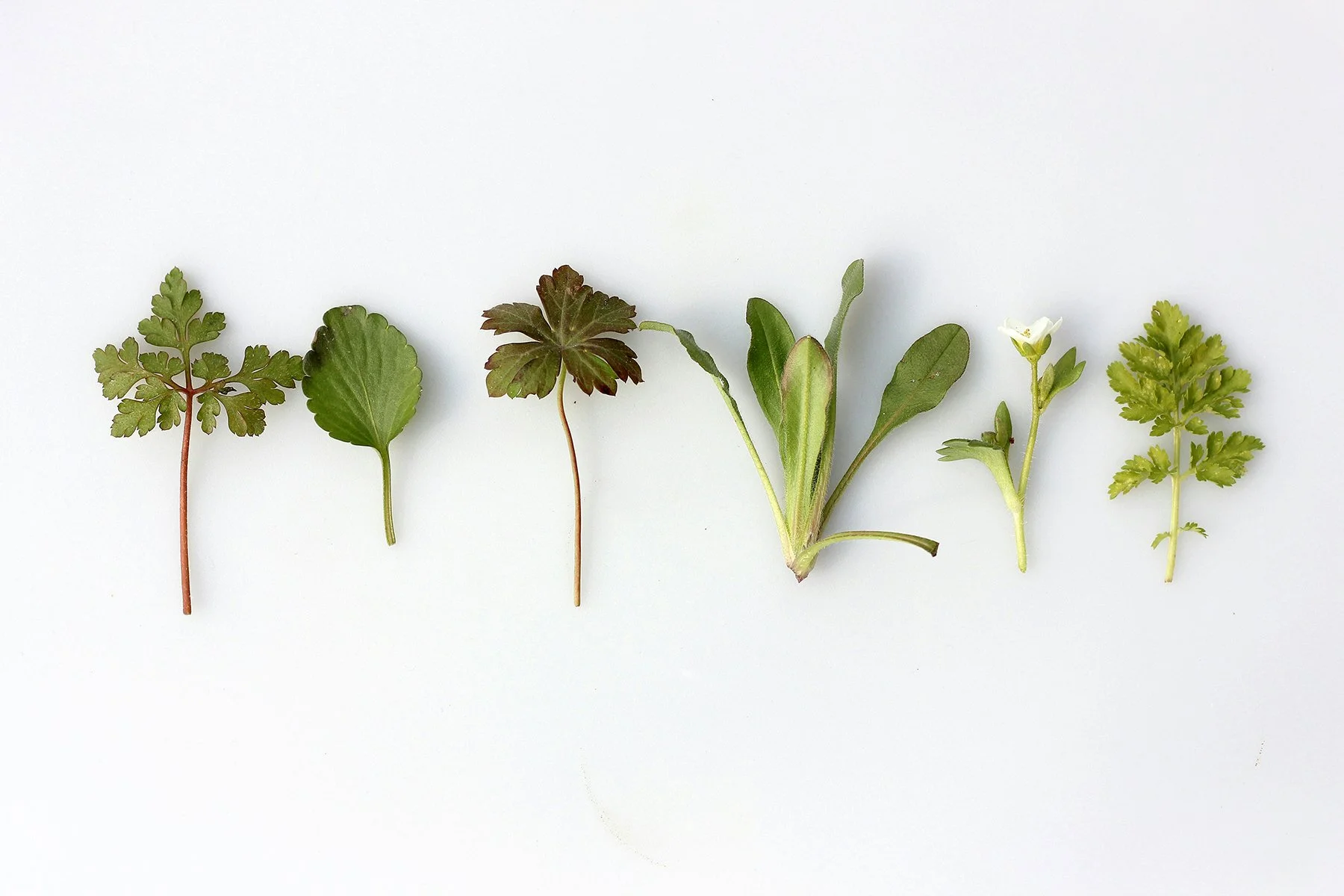
April showers may bring May flowers, but the welcome rain also rewards with an abundance of herbs! Ushering in warmer weather motivates us to cook more green a la our strong appetite for spring cuisine. But at the same time one can only make so much creamy Green goddess dressing, chop pounds of parsley for tabouleh, or pack more herbs into verdant falafels. There must be other ways to keep up with flourishing flora?! Oh, but there is: impart the liveliness of these flavorful leaves before they become wilting bouquets in your crisper wrapped in damp paper towels by infusing your vinegars with herbs!
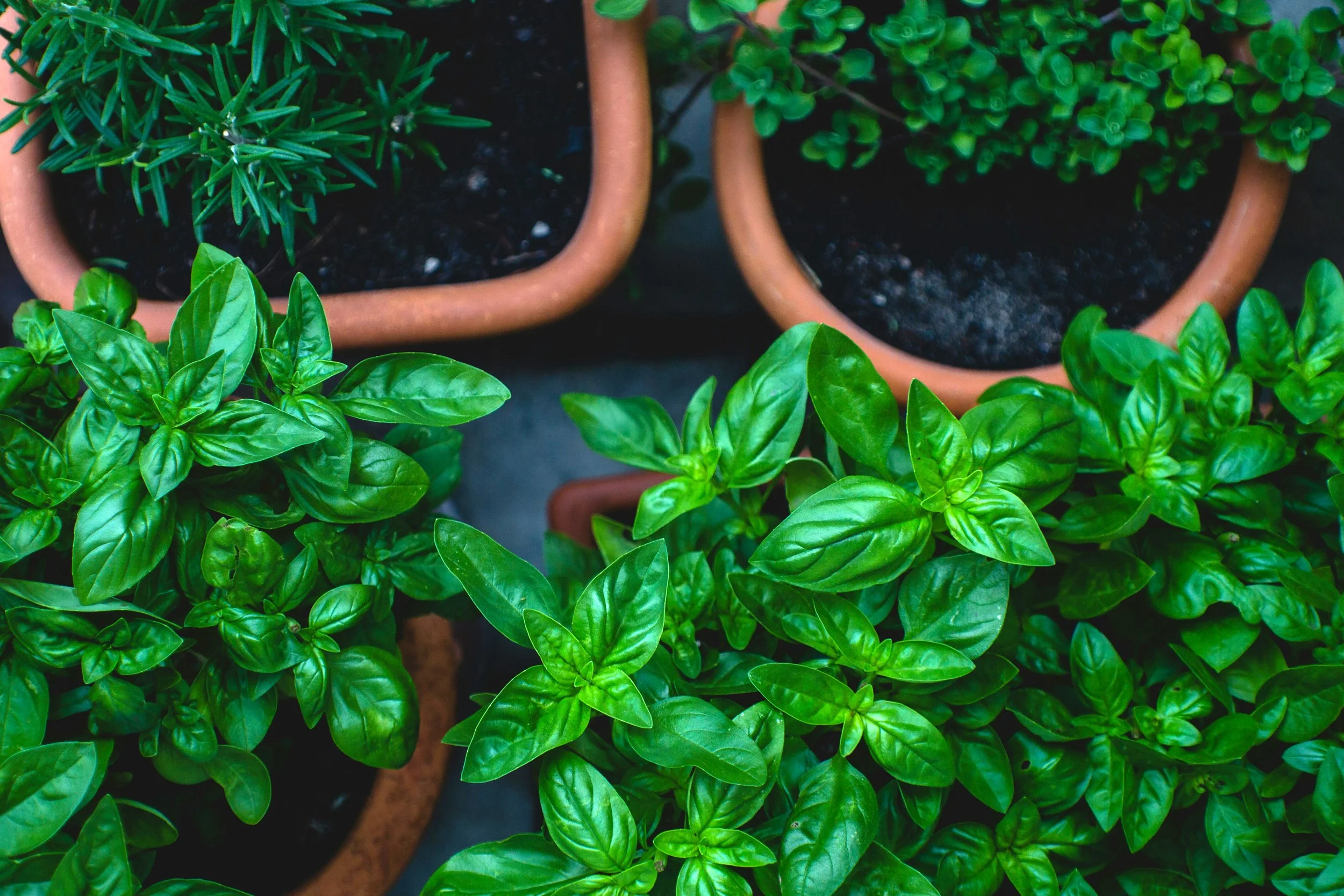
Many cultures and cuisines use herbs for restorative freshness. Whole leaves (if not stalks) of cilantro and mint are in a Vietnamese banh mi sandwich counter the porky pâté and sharp pickles, as a simple plouche of dill adorn any hors d'oeuvres of cheese on a cracker. Now take that single sprig, and let it patiently sit in a bottle of champagne vinegar, then you’ve created the classic French vinaigre de estragón (tarragon)!

Red Wagon herb vinegars
Perfuming vinegar with herbs is as easy as shoving some vegetation in a vessel, as Victor Chevalley de Rivaz poetically put in Round The Table (1876), “as many tarragon leaves [in a jar] …as it can hold without pressing them down,” but a bumper crop of herbs can also be beautiful. Stems, seeds, and flowering buds, lend their fragrance and adopt a new life when bathing in a bottle. Red Wagon Plants, a nursery and herb farm in Vermont, concocts a seasonal selection with chive blossoms for “springtime sweetness” and summery Thai basil for “deep flavor with a hint of warm spice” which can be applied to cooking projects all year round.
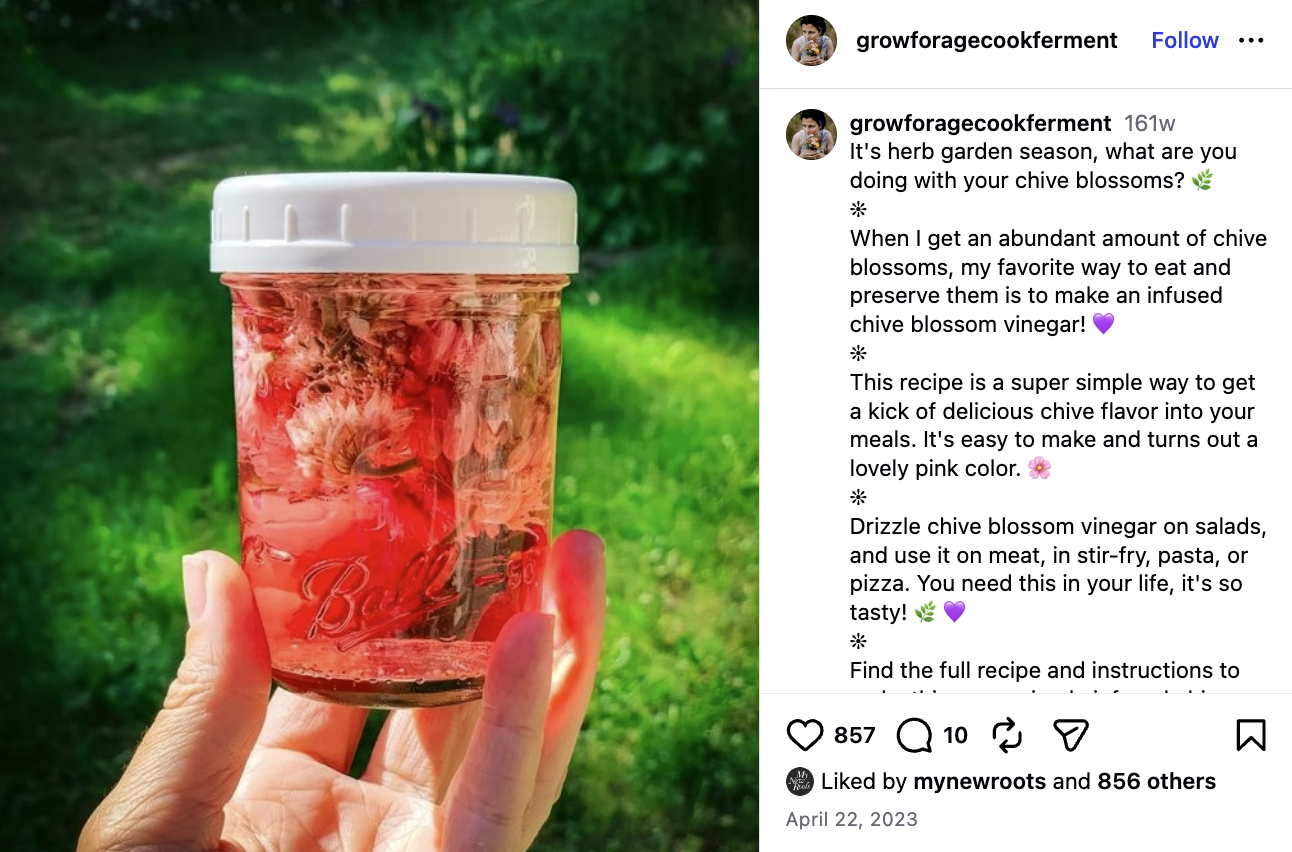
Colleen Codekas chive blossom vinegar
You don’t need a farm to actualize this project either — forager, herbalist and famed fermenter, Colleen Codekas, champions the chive blossom craze, one that’s been popular well before millennial pink (see here and here and here) as a way to make practical use of chives’ abundance, but also, basks in the blushing hue that’s extracted by its contact with acetic acid (recipe here). Codekas uses white vinegar, but also suggests white wine vinegar … and even white balsamic for a sweeter rendition. She suggests using said herb-infused vinegar across the meal: on salads, in stir-frys, and even a splash on pizza.
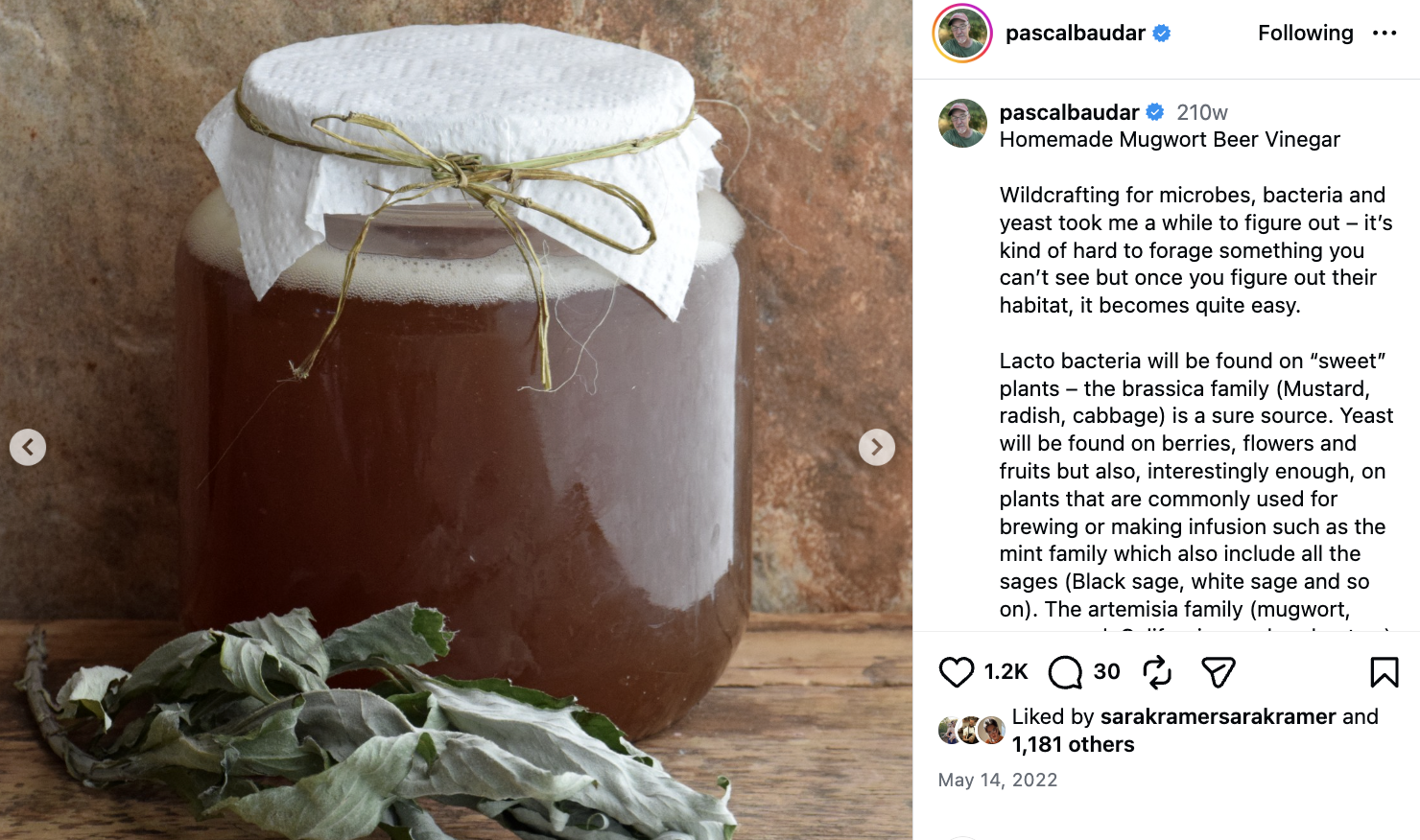
Some herbs can be considered weeds, which Wildcrafted Vinegars author Pascal Baudar, has made a case for (see: mugwort beer vinegar) plunging a perennial invasive herb in vinegar for a bitter and earthy concoction, which may taste more “medicinal” than most herb infusion.
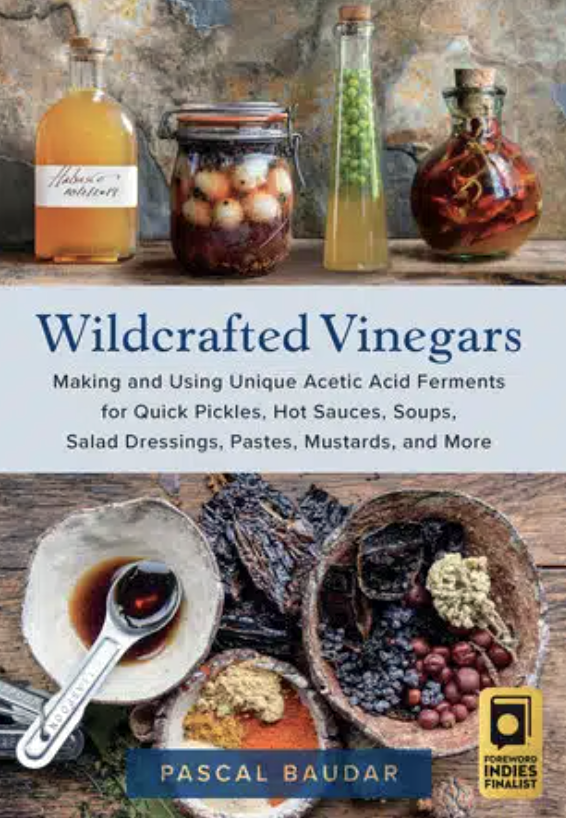
Wildcrafted Vinegars
With that in mind, Kirsten Shockey of Homebrewed Vinegar says there’s synergy there: “vinegar is a menstruum in herbal medicine because it is good at extracting the active therapeutic compounds from plants.” A spoonful of sugar may help the medicine go down, but so does a bottle of herb-infused vinegar. What’s growing in your vinegar garden?!